2026 AGENDA

Boston, 29 - 30 September 2026
Schedule
Create your personal agenda –check the favourite icon
Sep 299:10Conference pass
Introductory remarks
Keynotes
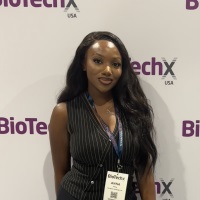
Anna Abiola, Conference Director, Terrapinn Holdings Ltd
Sep 299:15Conference pass
Chair's remarks
Keynotes
Emily Gillen, Head of Global Data Partnerships, UCB
Sep 299:20Conference pass
Advancing the development of individualised genetic therapies
Keynotes
Sep 299:40Conference pass
How Much is Time Worth? Rebuilding the Clinical Data Supply Chain Around Patients’ Clock
KeynotesEvery clinical trial runs on a hidden currency: time. Not protocol milestone time — patient time. When a patient has a six-month prognosis, rapid time to treatment is critical. Join us as we share key insights and opportunities to accelerate time to treatment through a novel study setup approach, ensuring rapid & consistent vendor onboarding and simplified study management. Ultimately, faster trial setup translates directly into faster access to care—turning lost time into life-impacting opportunities for patients.
EPAM empowers life science organizations to modernize end-to-end operations from early discovery through clinical delivery. Our pairing of deep life science subject matter expertise with award-winning software engineering optimizes business processes and elevates core offerings. Contact us to learn how we can accelerate your business.
Bill Fisher, Director, Life Sciences Scientific Strategy & Innovation, EPAM
Sep 2910:00Conference pass
Investment trends in AI
Keynotes
Moderator: Rana Lonnen, General Partner, Science Capital Ventures
Issa Kildani, Managing Partner, Founder, Ambrosia Ventures
Sep 2910:40Conference pass
Roundtables
Roundtables (Keynote Theatre)Agentic AI in Drug Discovery
Stephanie Oestreich, Managing Director, Myeloma Investment FundAI adoption in small-scale cell & gene therapy biomanufacturing: opportunities, challenges, and practical pathways
Danyel Evseev, Process Development Lead, Riddell Centre for Cancer Immunotherapy, University of CalgaryAI-Driven Futures: Roadmap to Digital Transformation
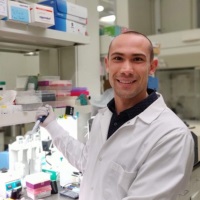
Shabana Motlani, Director, USO PS QA & GxP Automation & Analytics, Novo NordiskAI‑Ready Drug Discovery: What It Actually Takes
Elena Rivkin, Product Manager, Hoffmann-La Roche LimitedBuilding the Intelligent Health Ecosystem: Where Pharma Meets AI Powered by Real-World Data
Qingchu Jin, Faculty Scientist I, MaineHealth Institute for ResearchFrom Bench to Bedside: Smarter Pre-Clinical Strategies to De-Risk Early-stage Technologies
From Complexity to Clarity: Single-Cell, Spatial, and Multi-Omics
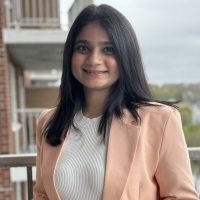
Isha Parikh, Bioinformatician, Mount SinaiInvestment Trends in 2026: AI is everywhere, where Capital Is Actually Going (and Why)? Real investor perspectives + live founder feedback
Invite Only: Building the Future of AI & Data Strategy in Life Sciences
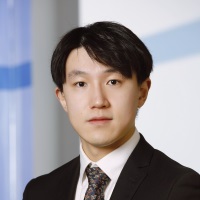
Michael Liebman, Managing Director, IPQ Analytics, LLCLei Xie, Professor, Northeastern UniversityShihan He, Machine Learning Engineer, Novo Nordisk Inc.Hong Truong, Principal, Define VenturesNeil Pfister, Assistant Professor; Head of AI in Precision Medicine Research Group, University of Alabama at BirminghamYi-Hsiang Hsu, Director and associate Professor, Broad Institute of MIT and HarvardJake Chen, Endowed Professor and Director, University of Alabama at BirminghamSamir Hanash, Director, Red And Charline Mccombs Institute For The Early Detection And Treatment Of Cancer, MD Anderson Cancer CenterHuda Eldosougi, Chief Technical Advisor, Saudi Food and Drug AuthorityKaruna Kantor, Director, Novo NordiskEmily Gillen, Head of Global Data Partnerships, UCB
Sep 2910:45Conference pass
Judges Remarks
Startup Pitches (Theatre 5)
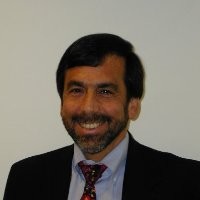
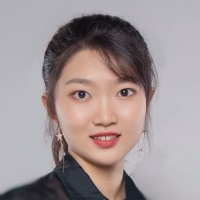
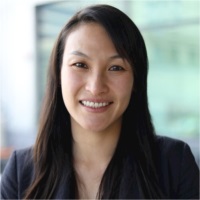
Christina Waters, Chief Executive Officer, Archer Precision Medicine Advisory
Preetha Ram, Managing Partner, Pier 70 Ventures
Sep 2910:50Conference pass
Dirty Data, Broken Deals: The Hidden Legal Risks When AI Meets Drug Development
Startup Pitches (Theatre 5)
Adaku Nwachukwu, Managing Partner, A N Law Firm, PC
Sep 2911:10Conference pass
Would You Put This Biomarker in the Protocol? A Multi-scale Stress Test for Mechanism-driven Phase Ib/II Enrichment
Startup Pitches (Theatre 5)Ingenix's Biological Reasoning Engine brings auditable, mechanism-grounded reasoning to the high-stakes decisions in drug development. We demonstrate one: whether a biomarker is ready to enrich or stratify a trial, with the evidence chain behind the call.
Through Modality Fusion, we connect modalities across biological scales: target biology, pathways, omics, model systems, and clinical data – integrated at the representation level into one architecture that reasons over the whole.
We run the stress test on a real biomarker: what makes it enrichment-grade, where the evidence breaks, and how our recommendation held up against the trial's actual readout.
Krzysztof Kolmus, Principal Scientist, Ingenix.AI
Sep 2911:20Conference pass
Using Multi-Modal patient data for Reinforcement Learning and Digital Twins for Biology Workflows
Startup Pitches (Theatre 5)
Sumit Sinha, Founder & CEO, OmicsBank
Sep 2911:30Conference pass
The Bottleneck Isn't the Molecule. It's the Site
Startup Pitches (Theatre 5)
Miles Wingfield, Co-Founder, Intake AI
Sep 2911:40Conference pass
Chair's remarks
FAIR Data: Management, Storage and Architecture (Theatre 4)
Sree Chitoor, Chief Technology Officer, IAVI
Sep 2911:40Conference pass
Chair's remarks
AI in Clinical Trials (Theatre 2)
Sep 2911:40Conference pass
Chair's remarks
Real World Evidence (Theatre 5)
Catherine Brownstein, Assistant Professor, Harvard Medical School
Sep 2911:40Conference pass
Chair's remarks
Large Language Models (Theatre 3)
Dr. Nick (Nemanja) Kovacev, Surgeon/Engineer, OrtoMD Polyclinic
Sep 2911:40Conference pass
Chair's remarks
Digital Transformation (Room 208)
Sep 2911:40Conference pass
Chair's remarks
AI in Drug Discovery and Development (Theatre 1)
Sep 2911:45Conference pass
Bridging the AI Divide: Workflows and Patterns for R&D Personas
Workshops (Room 207)From rapid hypothesis generation and intelligent experimental design to complex computational and multi-modal data analysis, Google Cloud's AI for Science solutions (e.g. Co-Scientist, AlphaGenome, AlphaFold, and AlphaEvolve) can act as a force multiplier for your team.
Learn how to:
- Accelerate Discovery: Shorten the path from inquiry to impact with automated literature synthesis and real-time reasoning.
- Optimize Workflows: Streamline lab operations and simulate experimental outcomes before picking up a pipette.
- Harden the Data Layer: Centralize disparate biological and clinical datasets into a secure, unified repository optimized for high-throughput data mining and comprehensive extraction.
- Unlock Innovation: Uncover hidden patterns in your data that traditional methods often miss.
Whether you’re in drug discovery, materials science, or academic research, this session will show you how to merge human expertise with AI precision to stay at the forefront of innovation. Don’t miss the chance to see the future of science in action.
Sep 2911:45Conference pass
Digital Transformation Is Not a Line, It's a Circle
Digital Transformation (Room 208)
Sep 2911:45Conference pass
Engineering Certainty and Clinical Safety: From Probabilistic to Deterministic AI
Large Language Models (Theatre 3)
Dr. Nick (Nemanja) Kovacev, Surgeon/Engineer, OrtoMD Polyclinic
Sep 2911:45Conference pass
From Foundation to Mechanistic Models—and In Between: Leveraging AI to maximize the value of every patient's data across clinical development
AI in Drug Discovery and Development (Theatre 1)
Sep 2911:45Conference pass
From Silos to FAIR: Driving Data Strategy in Research and Development
FAIR Data: Management, Storage and Architecture (Theatre 4)
Sep 2911:45Conference pass
Integration of real world evidence in genomics discovery
Real World Evidence (Theatre 5)
Catherine Brownstein, Assistant Professor, Harvard Medical School
Sep 2911:45Conference pass
Robust AI
AI in Clinical Trials (Theatre 2)
Faisal Khan, Corporate Vice President AI and Analytics, Novo Nordisk
Sep 2912:05Conference pass
Beyond the Chatbot: Building Trusted Agentic AI with Scientific Services and Connectors for Drug R&D
Large Language Models (Theatre 3)Pharmaceutical R&D organizations are investing heavily in agentic AI while also developing their own research platforms, copilots, and orchestration environments. However, many implementations still depend on fragmented data sources, inconsistent retrieval methods, and outputs that scientists must manually reconcile before they can support research decisions. This limits reproducibility, makes provenance difficult to preserve, and creates uncertainty about what evidence an AI system has used.
We describe Elsevier’s Life Sciences evolution from a cross-portfolio, multi-agent alpha to a modular architecture based on reusable scientific connectors and task-level agents. Connectors provide controlled access to trusted scientific data and capabilities including retrieve, resolve, normalize structured and unstructured evidence. Agents combine these components to address defined research tasks within broader workflows.
Examples from current work in chemistry, pharmacokinetics, and drug safety include compound identity resolution, chemical structure search, cross-source evidence retrieval, data harmonization, and structured evidence packaging. Separating these scientific capabilities from higher-level agent behavior makes them reusable across different products, models, and customer environments, while allowing provenance, completeness, and individual components to be evaluated explicitly.
Taken together, these examples provide a practical framework for deciding what should be implemented as a connector and task-level agent, or user-facing workflow, and for designing scientific AI that complements rather than replaces the enterprise research platforms pharmaceutical organizations are already building.
Sep 2912:05Conference pass
From insights to evidence: AI-enabled real-world intelligence for GLP-1 research
Real World Evidence (Theatre 5)By the time many studies are designed, executed, and published, treatment patterns have shifted, prescribing behaviors have changed, and new clinical questions have already emerged. This lag between what is happening in practice and what is captured in evidence is becoming increasingly difficult to ignore, particularly in rapidly evolving therapeutic areas such as GLP-1 receptor agonists.
Using GLP-1 RA therapies as a case study, this session explores how AI-enabled real-world intelligence can rapidly identify emerging trends, answer research questions, generate hypotheses, and prioritize areas for deeper investigation. Attendees will see how early signals from continuously updated healthcare data can be translated into validated evidence, creating a seamless path from insight to decision-ready research.
The future of evidence generation is not simply faster studies. It is a continuous cycle of intelligence, validation, and learning. Learn how to identify meaningful signals, verify findings with rigor, and generate regulatory-grade evidence that keeps pace with real-world change.
Learning objectives
By the end of this session, attendees will be able to identify new ways to keep pace with rapidly evolving clinical practice and therapeutic markets, evaluate how AI can help generate real-world intelligence and accelerate evidence generation, and identify emerging patterns and generate research hypotheses from continuously updated healthcare data.
Nina Masters, Principal Research Scientist, Truveta
Sep 2912:05Conference pass
From Paperless Labs to Defensible Decisions: Evidence Infrastructure for Scientific AI
FAIR Data: Management, Storage and Architecture (Theatre 4)Pharmaceutical research and development (R&D) laboratories have made major progress toward paperless workflows. Electronic lab notebooks, laboratory information management systems (LIMS), and chromatography data systems capture measurements digitally. Yet when a model flags an atypical impurity trend or recommends a formulation change, scientists often cannot trace that recommendation through instrument calibration, method validation, sample history, and study context to the original measurements. The data is digital; the evidence chain remains fragmented.
This keynote introduces evidence infrastructure: governed, bidirectional provenance created as data flows from instruments to scientific decisions. Grounded in the ICAD Principles (Integrate → Contextualize → Analyze → Decide), each integration enriches a scientific context graph. Typed relationships link analytical results to methods, specifications, stability protocols, batch genealogy, instrument state, and regulatory submissions. As these connections accumulate, the context graph becomes an operational knowledge graph whose conclusions remain traceable to source evidence.
The talk shows why evidence chains should be created during ingestion rather than reconstructed for each AI deployment, and how this supports scientific review, human oversight, and evolving transparency expectations. Attendees will leave with practical architectural patterns for assessing whether their digital lab produces accessible data alone or defensible evidence for scientific AI.
Bill Russo, VP of Sales & Strategy, ZONTAL
Sep 2912:05Conference pass
From Silos to Synergy: How an Ecosystem-Driven ELN Accelerates Scientific Discovery
Digital Transformation (Room 208)
Rob Brown, Global VP and Head of the Scientific Office, Sapio Sciences
Sep 2912:05Conference pass
RenSuper Workstation: An AI-Driven Antibody Discovery Platform From Target to Antibody Leads in Click
AI in Drug Discovery and Development (Theatre 1)What if you could move from target to candidate in a single click?
In this session, discover how Biocytogen’s RenSuper Workstation seamlessly integrates large-scale in vivo RenMice immunization, NGS, AI-powered high-throughput screening, and experimental validation to deliver high-quality, development-ready antibody sequences.
Learn how this platform unlocks access to a rich library of experimentally validated, fully human antibodies—complete with data packages to support faster, more confident decision-making. Explore how it enables rapid candidate identification, flexible antibody design, and data-driven workflows, reducing early discovery risk and compressing timelines from years to months.
Icy Niu, Executive Director, Global Business & Marketing Head, Biocytogen
Sep 2912:05Conference pass
The Model Is Not the Endpoint : Turning Medical Imaging AI into Decision-Grade Evidence for Clinical Trials
AI in Clinical Trials (Theatre 2)
Sep 2912:25Conference pass
AI-driven trial design and optimization
AI in Clinical Trials (Theatre 2)
Sep 2912:25Conference pass
Beyond HIPAA: The Emerging National-Security and Data-Control Rules for Offshoring Health and Genomic Data
FAIR Data: Management, Storage and Architecture (Theatre 4)
Joel Schwarz, Adjunct Law Professor, Cybersecurity and Privacy, Albany Law School
Sep 2912:25Conference pass
Beyond Real-World Evidence: How AI Can Inform Late-Stage Development Strategy
Real World Evidence (Theatre 5)
Mehdi-Alexandre MANGA, Chief Innovation Officer & Co-founder, ODDIFACT
Sep 2912:25Conference pass
Compute Is Abundant, Context Is Not: The Real Constraint on AI in Pharma R&D
AI in Drug Discovery and Development (Theatre 1)Most AI programs in drug discovery do not fail at the model. They fail at the data underneath it. Data sits scattered across systems, annotated inconsistently, and largely invisible to the teams building the models. This session covers what AI-readiness actually requires: resolved identifiers, traceable provenance, reconciled assay conditions, and curation quality you can measure. It also covers how to tell a genuinely curated asset from a merely cleaned one, and how AI readiness shows up in model performance. Excelra's experience in maintaining curated scientific data assets at scale offers a practical view of when data readiness accelerates AI-driven R&D
Norman Azoulay, Vice President, Platforms & Data, Excelra
Sep 2912:25Conference pass
Implementation of new age AI solutions and how to keep up with them
Digital Transformation (Room 208)
Sep 2912:25Conference pass
Multimodal Multi-Agent Solution for Sales Representatives
Large Language Models (Theatre 3)
Shihan He, Machine Learning Engineer, Novo Nordisk Inc.
Sep 2912:45Conference pass
AI Built for Research: Accelerating Defensible Evidence from Real-World Data
Real World Evidence (Theatre 5)Most AI isn't built for research. It's built for chat, for dashboards, for demos. In HEOR, that gap shows up fast. Fragmented data. Opaque models. Manual workflows that break the moment a regulator or peer reviewer asks how an answer was produced.
This session outlines a different approach: healthcare-native AI designed specifically for rigorous, defensible evidence. Three pieces, working together. A Healthcare Map of 60+ curated sources with validated representativeness across payers, regions, and care settings. A research-specific architecture with unified visit consolidation, 95%+ cost fill, and continuous enrollment, built so methodology holds up under scrutiny. And an AI engine with visible code generation, stepwise validation, and explicit articulation of every limitation.
The result is RWE that's faster, scalable, and trusted. Cohort identification compressed from hours to minutes. Descriptive statistics that used to take months. Industry standard R-package integration for inferential methods like propensity score matching, survival modeling, and weighted analyses, all version-controlled and replicable. Ready for the moments that matter most: market access discussions, internal strategic decision making, peer reviewed publications, and guideline directed medical therapy for real patients.
Key Learning Objectives
By the end of this session, attendees will be able to:
- Recognize why most AI approaches fail to meet the standards of HEOR research, including issues of data quality, transparency, and scientific rigor.
- Understand the three integrated components of healthcare-native AI: a comprehensive data foundation, a research-specific architecture, and an AI engine built for auditability.
- Map each safeguard to its purpose: visible code for auditable methods, cost imputation for unbiased economics, representativeness for generalizability.
- Identify HEOR use cases (feasibility, cohort construction, treatment patterns, cost and outcomes analyses) where AI built for research can compress timelines from months to minutes while preserving scientific integrity.
Sep 2912:45Conference pass
Digital Transformation in Pharma Is Missing a Layer: Validation, Trust, and Submission Readiness
Digital Transformation (Room 208)The pharmaceutical industryis rapidly adoptingdigital transformation andAI to accelerate clinical development, butthese technologiesalone do not reduce business risk. As AI-generated analyses become part of workflows, sponsors face a new challenge: how to establish confidence that outputs are accurate, traceable, and suitable for regulatory submission. Without an independent mechanism to verify AI-generated results, organizations risk undermining the very efficiencies digital transformation is intended to deliver.
When evaluating AI platforms and strategic technology investments, the question is no longer whether AI can generate clinical outputs; it is whether those outputs can be trusted. Building that trust requires an independent validation layer that provides objective evidence of quality, reproducibility, and regulatory readiness without relying ontraditional quality control methods that rely heavily on independent double programming, making them resource-intensive and difficult to scale in an era of AI-assisted development.
Beaconcure Verify, an AI platform designed specifically for regulated clinical development. Rather than automating statistical programming itself, Verify independently validates AI- and programmer-generated TLFs by reconstructing expected outputs directly from clinical datasets, SAPs, and specifications. Powered by a domain-specific AI model trained to reason like an experienced statistical programmer, the platform interprets clinical metadata, analysis logic, and programming intent to generate independent results that are compared against production outputs.
This independent verification approach enables rapid identification of discrepancies, strengthens risk-based quality strategies, and provides transparent evidence supporting submission readiness. By serving as a validation layer, Verify complements existing programming environments while helping organizations scale AI adoption with greater confidence and governance.
Attendees will gain insight into how trust, validation, and independent verification are emerging as essential components of AI strategies in life sciences. The session will explore how specialized validation platforms can reduce implementation risk, strengthen regulatory confidence, and enable organizations to adopt AI more broadly across clinical development while maintaining the quality standards required for submission-ready deliverables.
Sep 2912:45Conference pass
Multi-Agent AI on Longitudinal Human Aging Data: From Pre-Diagnosis Signals to Druggable Targets
AI in Drug Discovery and Development (Theatre 1)
Huseyin Mehmet, Executive Direc tor, New Ventures, UMass Chan Medical School - Worcester, MA
Sep 2912:45Conference pass
Regulatory-grade real-world evidence from unstructured clinical data
Large Language Models (Theatre 3)Roughly 40% of the clinical facts research needs never reach a structured data field: diagnoses, medication adherence, biomarkers, staging, social determinants, family history. Frontier LLMs can read that text, but at population scale they're expensive, non-deterministic, and hard to audit. This session shows how specialized medical language models extract and de-identify clinical facts at regulatory-grade accuracy: 98% F1 on PHI detection, and primary site, histology, and tumor staging extracted from unstructured pathology text at regulatory-grade accuracy (over 95%) – all at over 80% lower cost than current frontier models, with deterministic, reproducible output. Those facts become a governed, OMOP-standard real-world-evidence asset, with every value traced to its source note and every extraction carrying a confidence score. With that foundation in place, and a shared MCP boundary on top of it, use cases like cohort building, real-world evidence, clinical trial matching, and protocol design become far easier to build and to audit.
Sep 2912:45Conference pass
Same Experts, Smarter Agents: The Next Leap in Clinical Development
AI in Clinical Trials (Theatre 2)AI has already reshaped preclinical development — now it's transforming Phase I-III trials. Study start-up is being compressed through AI-driven protocol design, site selection, and feasibility work. Real-world data is enabling synthetic control arms that can reduce the need to enroll patients into placebo groups, cutting study timelines and costs at a point where every day of a Phase III trial can cost upwards of a million dollars. And patient recruitment itself has flipped from a passive, wait-for-patients-to-come model to a proactive one, with AI matching protocol criteria against real-world data to identify eligible patients and where they're being treated — cutting recruitment workload by roughly 80%The next leap is agentic AI: systems that don't just surface insights but actively execute the work. But speed only matters if you can trust the output.In this session, Suzanne will share what "AI-native" really means in practice — where subject matter experts stay firmly in control of agentic workflows, why sourcing and human oversight are the foundation of trustworthy AI rather than an afterthought, and how real-time monitoring is already compressing feedback cycles from days and weeks down to minutes.Attendees will walk away with:
- Where AI is already delivering measurable time and cost savings versus where it's still maturing
- A practical framework for what "AI-native" means for a clinical organization, and how to keep subject matter experts in control as agents take on more of the operational workload
- Questions to ask any AI vendor or internal team about sourcing, hallucination risk, and oversight before trusting agentic output in a regulated trial environment
- A candid perspective on why "trust takes time" with AI — and concrete first steps for piloting agentic tools now rather than waiting for perfect reliability
Sep 2912:45Conference pass
When Scientists Can't Find Their Data: FAIR Foundations for Real-World AI
FAIR Data: Management, Storage and Architecture (Theatre 4)How Zifo helped a global biopharma turn disconnected data silos across different platforms into a single FAIR, AI-ready data ecosystem by automating ingestion, data models and metadata management . A practical playbook for building governed, reusable data that scientists trust and AI can actually use.
Deepak Rajendran, Senior Manager, Zifo Technologies Inc
Sep 2913:05Conference pass
Digital transformation in biotherapeutics discovery
Digital Transformation (Room 208)
Alexander Horspool, Associate Director of Data and Lab Automation, Boehringer Ingelheim
Sep 2913:05Conference pass
DNA Methylation-Mediated Epigenetic Adaptation Promotes Cellular Resilience In AML
Real World Evidence (Theatre 5)
Manna Ahmed, Assistant Research Professor - Manager of The Genomics Resource Facility, Fox Chase Cancer Center
Sep 2913:05Conference pass
From Data Custodian to Data Product Leader: Building FAIR and AI-Ready Clinical Data Platforms for Precision Trials
FAIR Data: Management, Storage and Architecture (Theatre 4)
Kayure Patel, Senior Data Sciences Product Leader, Genentech/Roche
Sep 2913:05Conference pass
Physics-Informed Large Language Models for Biologics: Applying Nuclear Engineering Rigor to AI Safety and Reliability
Large Language Models (Theatre 3)
Daya Shankar, Dean, School of Sciences and Founder SuktiAI, Woxsen University
Sep 2913:05Conference pass
Proven by the Science It Produces: Agentic AI from Discovery to Development
AI in Drug Discovery and Development (Theatre 1)
Greg Roelants, Strategic Client Partner, Causaly
Sep 2913:05Conference pass
Virtual patient generation leveraging RWD to expedite clinical development
AI in Clinical Trials (Theatre 2)
Yilin Xu, Head of clinical data analytics, AbbVie
Sep 2914:25Conference pass
Chair's remarks
Digital Transformation (Room 208)
Jason Beckwith, SVP Talent Science BioTalent, University of Leeds
Sep 2914:25Conference pass
Chair's remarks
AI in Drug Discovery and Development (Theatre 1)
Sep 2914:25Conference pass
Chair's remarks
Large Language Models (Theatre 3)
Sep 2914:25Conference pass
Chair's remarks
FAIR Data: Management, Storage and Architecture (Theatre 4)
Lori Hoepner, Assistant Professor Head of Research and Partnership Development, St George's University
Sep 2914:25Conference pass
Chair's remarks
AI in Clinical Trials (Theatre 2)
Sep 2914:25Conference pass
Chair's remarks
Real World Evidence (Theatre 5)
Michael Liebman, Managing Director, IPQ Analytics, LLC
Sep 2914:30Conference pass
AI Applications: From Clinical Research To Operational Feasibility
AI in Clinical Trials (Theatre 2)
Paquita Chang, Global Clinical Operations AI & Data Scientist, Roche
Sep 2914:30Conference pass
Digital Transformation in Biomedical Research: Challenges and Opportunities
Digital Transformation (Room 208)
Jason Beckwith, SVP Talent Science BioTalent, University of Leeds
Sep 2914:30Conference pass
From High-Throughput Pipelines to FAIR Data: A Storage Strategy
FAIR Data: Management, Storage and Architecture (Theatre 4)
Sep 2914:30Conference pass
From Literature to Computable Cohorts: Disease Phenotyping via Multi-Agent Orchestration
AI in Drug Discovery and Development (Theatre 1)
Chris Willis, Director, Enterprise Business Insights & Technology, Bristol Myers Squibb
Sep 2914:30Conference pass
Google’s Agentic R&D Cloud
Workshops (Room 207)Biopharma organizations have long navigated the "laboratory compromise"—the physical and operational divide between wet-lab experimentation and dry-lab computational modeling. This structural separation creates data silos that slow research timelines and limit the impact of computational tools. Today, the industry is transitioning to a model where scientific data acts not just as a laboratory record, but as an active foundation for closed-loop discovery. Addressing this division requires a fundamentally different approach to both technology and organizational collaboration.Google’s Agentic R&D Cloud meets this challenge through a cross-functional, vertically integrated R&D stack that was built with the research operations of Google DeepMind and Google Research in mind. Google’s Agentic R&D Cloud marries emerging specialized models and agents (e.g. AlphaFold, AlphaGenome, AlphaEvolve, and Co-Scientist) with the enterprise infrastructure and scale needed to support advanced scientific computing without the latency, integration gaps, data silos, or errors common in piecemeal systems.
Grounded in real-world deployments and collaborative success stories with leading biopharma partners, this session will explore how Google’s unified R&D stack today is accelerating R&D. Attendees will walk away with a practical agentic blueprint showing how a co-designed R&D stack scales laboratory hypotheses into validated biological discoveries.
Sep 2914:30Conference pass
Large Language Models in Practice: From Patient Support to Precision Cancer Care
Large Language Models (Theatre 3)
Omer Alis, Director of Artificial Intelligence, Northeastern University
Sep 2914:30Conference pass
Multi-cancer Early Detection (MCED)
Real World Evidence (Theatre 5)
Samir Hanash, Director, Red And Charline Mccombs Institute For The Early Detection And Treatment Of Cancer, MD Anderson Cancer Center
Sep 2914:50Conference pass
From Data to Decisions: Using Technology to Improve the Patient Journey in Clinical Trials
AI in Clinical Trials (Theatre 2)Session illustrates how intelligent coordination across planning, monitoring, data review, and study management can improve visibility, predictability, and execution quality.
Muaiad Kittaneh, Global Head of R&D and Scientific Strategy, Syneos
Sep 2914:50Conference pass
Is your Lab in the Loop?
FAIR Data: Management, Storage and Architecture (Theatre 4)Edge AI in Production: Real-Time Decision-Making in Sanofi’s Cryo-EM CoreModern cryoEM and other high-throughput scientific instruments generate vast amounts of data, yet mismatched infrastructure often limits throughput, delays scientific insights, and allows poor-quality data to propagate. This session presents a deployment of on-premises edge AI that enables real-time data processing and decision-making directly at the instrument. By detecting anomalies and data quality issues from minute zero, the system ensures only high-value data advances through the pipeline. We will show how near-real-time analytics can also trigger automated device actuation, allowing instruments to adjust and optimize performance dynamically - without manual intervention. This approach reduces data movement and infrastructure costs while accelerating time to insight. Drawing on testing at Sanofi’s cryoEM core, attendees will gain practical insights into architecture, deployment considerations, and measurable impact on throughput, data quality, and operational efficiency.
Bill Lynch, Strategic Business Development Manager, Everpure1
Andrew Brown, Founder, Osmosys
Pradeep Bandaru, Head of Platforms & AI Workflows, Sanofi
Sep 2914:50Conference pass
Medical information response agent
Large Language Models (Theatre 3)
Chandni Patel, Director, Medical Information, Novo Nordisk
Sep 2914:50Conference pass
Operationalizing AI for GxP: What It Takes to Reach Production at Scale
Digital Transformation (Room 208)Most pharma organizations can build an AI model. Far fewer can get that model into a validated GxP environment and sustain that validation through inspection, model change control, and ongoing oversight as agentic systems evolve. This session is about the infrastructure, governance, and validation architecture that senior R&D and IT leaders need to operationalize AI across GxP-regulated workflows at enterprise scale. We'll cover what it takes to move an entire portfolio of models and agents into production, not just one successful pilot, and what changes when that foundation is built in from the start rather than added after a model has already been deployed.
Matt Tendler, VP Strategy, Life Sciences, Domino Data Lab
Sep 2914:50Conference pass
Unlocked & Validated: How Human-in-the-Loop LLMs Transform Unstructured EHR into High Quality RWD
AI in Drug Discovery and Development (Theatre 1)Real-world data (RWD) is essential to biopharma R&D, but critical signals often remain locked in unstructured data types such as clinical notes, out of reach from standard analytics. Automation alone cannot reliably extract these features; success requires context, and context only emerges when clinical expertise is embedded throughout such workflows.
To capitalize on the phenotypic depth of its EHR-derived RWD, NashBio built a multi-layer LLM extraction system designed around clinical experts who informed extraction criteria, guided prompt and workflow refinements, and evaluated model output against source records to improve capture of clinically meaningful events. Applied to a 2,800 patient inflammatory bowel disease (IBD) cohort, the pipeline surfaced treatment response outcomes from each patient’s IBD clinic notes, spanning a predefined list of 25 medications. The result was more than 58,000 structured medication-response assessments, each substantiated by a verbatim quote from the attending healthcare provider and reviewable in context. This human-in-the-loop architecture achieved >90% accuracy on sampled review and 96% reproducibility – a level of rigor typically reserved for manual chart review – delivered at scale to advance more personalized medicine. Automation alone also missed important documentation patterns unique to specialty care and institutional practice.
NashBio's experience challenges the perception that AI eliminates the need for humans. This work reinforced the fact that, as extraction systems scale, human-in-the-loop matters more, not less; it is what keeps accuracy and context intact. We will also demonstrate how this framework extends to other applications relevant for biopharma R&D, including hepatology feature extraction and biomarker curation.
Leeland Ekstrom, CEO, NashBio
Sep 2914:50Conference pass
Using Real World Data in IBD research: Capturing the Full Patient Journey
Real World Evidence (Theatre 5)
Tara Fehlmann, Senior Manager, Data Science & Analytics, Crohn's and Colitis Foundation
Sep 2915:10Conference pass
Agentic AI for biotech competitive intelligence
Large Language Models (Theatre 3)
Daniel de Moraes Branco, Senior Director Corporate Development, Latin America Medical Affairs Lead, Artiva Biotherapeutics
Sep 2915:10Conference pass
AI-Powered Predictive Analytics for Surgical and ICU Patients
Real World Evidence (Theatre 5)
Qingchu Jin, Faculty Scientist I, MaineHealth Institute for Research
Sep 2915:10Conference pass
AI-powered programmable virtual humans for physiologically based drug discovery
AI in Drug Discovery and Development (Theatre 1)
Lei Xie, Professor, Northeastern University
Sep 2915:10Conference pass
Digital innovations driving clinic trials efficiencies
AI in Clinical Trials (Theatre 2)
Naomi Fried, CEO, Pharmstars
Sep 2915:10Conference pass
Pitfalls and Best Practices: Notes from the (research) field
FAIR Data: Management, Storage and Architecture (Theatre 4)
Lori Hoepner, Assistant Professor Head of Research and Partnership Development, St George's University
Sep 2915:10Conference pass
Securing the Agentic Future: How Privacy and Trust Drive Real Digital Transformation
Digital Transformation (Room 208)The current wave of healthcare AI has focused heavily on digitizing administrative overhead, but true digital transformation is yet to come. For healthcare organizations to capture the economic potential of the AI era, they must shift from human-assisted AI to autonomous workflow execution and into the Agentic Era.12
The future of enterprise healthtech depends not on the intelligence of base models, but on architectural integrity and security. What then is required to unlock enterprise adoption?
Autonomous Execution: Moving beyond text generation to trigger multi-step, clinical, and back-office actions.
Zero-Trust Data Boundaries: Treating security and privacy as a commercial velocity engine rather than a compliance roadblock.
Orchestration Governance: Implementing real-time oversight to ensure deterministic, zero-error execution in regulated environments.
I will discuss a few companies that have indeed succeeded in value creation in this environment, with a VC investment lens.
Biotech and pharma leaders must move past model evaluations and start asking the critical question for agentic systems: "Can we bound its execution in real-time, and can we cryptographically prove why it took that action?"
Preetha Ram, Managing Partner, Pier 70 Ventures
Sep 2915:30Conference pass
Applications of biological foundation models to accelerate clinical trials
AI in Clinical Trials (Theatre 2)
Neil Pfister, Assistant Professor; Head of AI in Precision Medicine Research Group, University of Alabama at Birmingham
Sep 2915:30Conference pass
Beyond the Pilot: A Fireside Chat on What It Really Takes to Scale AI in Pharma R&D
AI in Drug Discovery and Development (Theatre 1)
Justin Scheer, Vice President, Global Head - In Silico Discovery, Johnson & Johnson
Robert Fenwick, Innovation and Technology Consultant, EPAM Systems, Inc.
Sep 2915:30Conference pass
Building Next-Generation Engagement Using the Power of AI - From Concept to Action
Large Language Models (Theatre 3)ny AI discussions emphasize the size of the dataset and the cleverness of the model. In practice, those factors are rarely where the real difference is made.What actually moves things forward is quieter, and far harder to get right: clean, carefully chosen data, and one problem that genuinely matters in practice.
This session is a behind-the-scenes case study of how Innomagine moved from concept to action. We didn’t start with the technology — we started with the people behind the work, and built a connected suite of engagement solutions on one foundation: the Evidence Eagle platform.
We’ll walk through three AI applications already used every day:
- Medical Simulator helps MSLs practice realistic KOL conversations with AI-powered feedback.
- Institutional Engagement Eagle shows who to engage, why they matter, and how to reach them.
- AI-generated Engagement Plans turn existing research into clear, actionable strategies.
Because all three use the same trusted data, insights flow seamlessly from research to engagementtoaction.
We then turn to the question every team faces: build, or buy? Building in-house is tempting, but the hard parts surface later — curating data you can trust, keeping scarce AI talent, and maintaining infrastructure long after the pilot ends. We make the case for the “smart buy”: a focused partner whose platform, curated data, and proven use cases are ready today — so teams reach value in weeks, not years.
The takeaway: look past the big-data hype, get the build-versus-buy call right, and start with clean data and one problem worth solving. That’s where meaningful AI adoption begins — and where real impact, for your teams and the patients at the end of it, follows.
Mayank Bhanderi, Director, Innomagine Consulting Private Limited
Julio Jose Fernandez, Director Field Medical Affairs, Regeneron
Sep 2915:30Conference pass
FAIR Data Foundations: Automating Governance and AI-Readiness for Accelerated Drug Discovery
FAIR Data: Management, Storage and Architecture (Theatre 4)In this session, we'll cover:
- The Modern Data Dilemma in Biotech - massive volumes of unstructured, often fragmented research data, that hinder innovation, impose regulatory risk and missed milestones
- Building a Scalable "Data Foundation" - implementing a unified data governance framework that balances speed, risk and prepares for intelligent content management
- Governance as an AI Enabler - highlighting metadata management to ensure datasets are discoverable, high-quality and protected
- Future-Proofing the Pipeline - the roadmap for AI-driven regulatory intelligence and its role in streamlining future clinical trials
Sep 2915:30Conference pass
The Evolution of Real-World Evidence: From Individual Data Assets to Connected Healthcare Intelligence
Real World Evidence (Theatre 5)Real-world evidence is evolving from isolated datasets to integrated healthcare intelligence that provides context, not just observations. Learn how Norstella combines multimodal real-world data with proprietary commercial, access, and healthcare intelligence to answer increasingly complex questions that no single nor traditional real-world data source can address, speeding up time to insights.
Sep 2915:30Conference pass
The Skills Behind the Strategy: Preparing Today's Workforce for Digital Transformation
Digital Transformation (Room 208)
Uwe Hohgrawe, Associate Dean Global Learner Access, Strategic Partnerships and AI, Northeastern University
Sep 2915:50Conference pass
AI ML for drug discovery
AI in Drug Discovery and Development (Theatre 1)
Sep 2915:50Conference pass
Digital transformation within medical and scientific communications within pharma and biotech
Digital Transformation (Room 208)
Sep 2915:50Conference pass
Diving deeper into indications
FAIR Data: Management, Storage and Architecture (Theatre 4)
Maureen Stark, Biospecimen Senior Specialist - Data Mgt, Roche
Sep 2915:50Conference pass
The Human Heart of High-Tech Care: Reimagining the Nurse Navigator in the Age of Precision Medicine
Real World Evidence (Theatre 5) the field of oncology continues to explorecutting-edge breakthroughs in AI, genomic sequencing, and digital transformation, it’s easy to lose sight of the human being at the center—the patient. While industry leaders focus on the data and the drug, the Oncology Nurse Navigator (ONN) never loses sight of the person behind the diagnosis. This presentation brings the ONN’s story to life as the “human translator” of biotechnology—turning intimidating data into understandable choices, calming fears, and ensuring that the promise of precision medicine is matched by genuine, personalized support.Objectives:By the end of this presentation, participants will be able to:
- Identify the three primary psychological and logistical barriers patients face when transitioning from standard care to high-complexity interventions.
- Analyze how the navigator role mitigates disparities in access to precision medicine by addressing social determinants of health (SDOH) that digital platforms often overlook.
- Formulate a model for integrating biotech stakeholders (pharma, diagnostics, and tech) with the nursing navigation team to ensure innovations enhance, rather than disrupt, the patient experience
Sep 2916:05Conference pass
Judges Remarks
Startup Pitches (Theatre 5)
Christina Waters, Chief Executive Officer, Archer Precision Medicine Advisory
Preetha Ram, Managing Partner, Pier 70 Ventures
Sep 2916:10Conference pass
The Agent Did It. Now Can You Prove It? Cryptographic Traceability for AI in Clinical Workflows
Startup Pitches (Theatre 5)
Alistair Dootson, Head Life Sciences, EQTY Lab
Tina Morrison, VP, Scientific Strategy, EQTY Lab
Sep 2916:20Conference pass
WittGen: GenAI Drug Response Prediction, Cell by Cell
Startup Pitches (Theatre 5)
Minwoo Jung, CTO, WittGen Inc.
Sep 2916:30Conference pass
AI-Driven Insights from Every single Patient
Startup Pitches (Theatre 5)
Mattia Marco Caruson, Managing Director, mama health
Sep 2916:40Conference pass
Chair's remarks
AI in Drug Discovery and Development (Theatre 1)
Catherine Brownstein, Assistant Professor, Harvard Medical School
Sep 2916:40Conference pass
Chair's remarks
Large Language Models (Theatre 3)
Jake Chen, Endowed Professor and Director, University of Alabama at Birmingham
Sep 2916:40Conference pass
Chair's remarks
Digital Transformation (Room 208)
Shabana Motlani, Director, USO PS QA & GxP Automation & Analytics, Novo Nordisk
Sep 2916:40Conference pass
Chair's remarks
FAIR Data: Management, Storage and Architecture (Theatre 4)
Sep 2916:40Conference pass
Chair's remarks
AI in Clinical Trials (Theatre 2)
Sep 2916:40Conference pass
Chair's remarks
Real World Evidence (Theatre 5)
Michael Liebman, Managing Director, IPQ Analytics, LLC
Sep 2916:45Conference pass
Bridging the gap between FEMtech and FEMhealth
Real World Evidence (Theatre 5)
Michael Liebman, Managing Director, IPQ Analytics, LLC
Sep 2916:45Conference pass
Building Bridges: Developing a Common Omics Data Platform at AbbVie
FAIR Data: Management, Storage and Architecture (Theatre 4)
Sep 2916:45Conference pass
Leveraging Data and AI to transform Research, Care, and Operations at Sylvester Comprehensive Cancer Center
Digital Transformation (Room 208)
Vasileios Stathias, Assistant Director, Data Science, Sylvester Comprehensive Cancer Center
Sep 2916:45Conference pass
Multi-Agent AI on Longitudinal Human Aging Data: From Pre-Diagnosis Signals to Druggable Targets
AI in Drug Discovery and Development (Theatre 1)
Sep 2916:45Conference pass
Protecting Our Cognitive Edge: The Paradox of AI Offloading vs. Skills Atrophy
AI in Clinical Trials (Theatre 2)
Sep 2916:45Conference pass
The Right Kind of Fast: Combining AI Speed with Regulatory Expertise
Large Language Models (Theatre 3)AI is genuinely making regulatory work faster, and that matters. But getting to a first draft faster is only one piece of what’s possible with AI. . The standard drug development teams must build toward is submission content that holds up under intense scrutiny. And still holds up two years later, when the same information is needed for the next filing, the next market, the next lifecycle update.
Based on real implementations across regulatory workflows, Daniel will cover what AI can do to compress review cycles, prevent rework, and position scientific knowledge in clear and compelling ways to health authorities.
Daniel Pointing, Associate Director, Business Development, Weave Bio
Sep 2917:05Conference pass
Better ways to recruit and retain patients
AI in Clinical Trials (Theatre 2)
Faisal Khan, Corporate Vice President AI and Analytics, Novo Nordisk
Sep 2917:05Conference pass
Beyond the Data Contract: How Field Medical and Clinical Informatics Turn HCO Partnerships into Real-World Evidence
Real World Evidence (Theatre 5)
Fang Li, Sr. Director, Clinical Informatics, Pfizer, Inc.
Sep 2917:05Conference pass
Enabling LLM-assisted biomedical discovery in secure, trusted agentic environments
AI in Drug Discovery and Development (Theatre 1)Biomedical researchers face a critical productivity gap when working within Trusted Research Environments, where strict security rules ban the use of Large Language Models (LLMs). To solve this, we present the Trusted Agentic Environment, designed to embed AI tools and make them available to researchers by default. By attaching flexible, automated policies directly to datasets, researchers can seamlessly leverage LLMs for code generation, data exploration, and statistical modeling. This integration unlocks complex co-analysis, empowering researchers with advanced AI capabilities to accelerate their scientific output.
Jonathan Amar, AI Science Manager, Verily Health
Sep 2917:05Conference pass
LLMs for Medical Affairs: Content, Engagement, and Meaningful Scientific Impact for HCPs
Large Language Models (Theatre 3)
John Wright, Technology Director, Global Medical Affairs, Amgen
Sep 2917:05Conference pass
Turning Life Sciences Data into Investment-Ready Evidence
FAIR Data: Management, Storage and Architecture (Theatre 4)
Sep 2917:05Conference pass
When Minutes Matter: The Cloud Architecture Behind Intraoperative Genomics
Digital Transformation (Room 208)
Esteban Rubens, Healthcare Field Chief Technology Officer, Oracle
Sep 2917:25Conference pass
AI-Powered Trials: Unlocking Leadership in Clinical Innovation
Real World Evidence (Theatre 5)
Yilin Xu, Head of clinical data analytics, AbbVie
Hong Truong, Principal, Define Ventures
Daniel de Moraes Branco, Senior Director Corporate Development, Latin America Medical Affairs Lead, Artiva Biotherapeutics
Ashley Brenton, Global RWE Lead, Syneos Health
Paul Brake, Industry Executive Director, Life Sciences and Healthcare, Oracle
Sep 2917:25Conference pass
Digital health and AI, what does the future hold?
Digital Transformation (Room 208)
Moderator: Naomi Fried, CEO, Pharmstars
Omer Alis, Director of Artificial Intelligence, Northeastern University
Sep 2917:25Conference pass
From AI Experiments to Enterprise Impact: What Does It Really Take to Operationalize AI in Pharma
Large Language Models (Theatre 3)
Chandni Patel, Director, Medical Information, Novo Nordisk
Puneeth kumar Ammapalli, Principle Cloud Architect, CVS Ltd
Sep 2917:25Conference pass
The Health Data Trilemma: Privacy, National Security, and Borderless dataflows
FAIR Data: Management, Storage and Architecture (Theatre 4)
Moderator: Joel Schwarz, Adjunct Law Professor, Cybersecurity and Privacy, Albany Law School
Huda Eldosougi, Chief Technical Advisor, Saudi Food and Drug Authority
Alexander Sherman, Director, Center for Innovation and Bioinformatics, Mass General Hospital, Harvard Medical School
Preetha Ram, Managing Partner, Pier 70 Ventures
Sep 2917:25Conference pass
Using AI in the drug development and discovery process
AI in Drug Discovery and Development (Theatre 1)Artificial intelligence and machine learning are transforming drug discovery and development, from target identification and candidate screening to predictive modelling, study design, and decision making across the R&D pipeline. As these technologies become more widely adopted, ensuring they are scientifically robust, validated, and fit for purpose is essential.
This panel will explore how AI is being applied across the drug discovery and development process, highlighting both the scientific opportunities and the practical challenges of implementation. Bringing together perspectives from biotech, pharma, academia, and emerging AI innovators, the discussion will examine how organisations are integrating AI into research workflows while ensuring credibility, reproducibility, and regulatory confidence.
Topics will include the use of AI for early discovery, predictive modelling, and optimisation across the development pipeline, alongside considerations for model validation, risk based credibility assessment, and translating AI driven research into real world drug development. The panel will also explore how collaboration between industry, academia, and emerging biotech is accelerating innovation while maintaining scientific rigour.
David Sherris, ceo, Attivare Therapeutics
Santrupti Nerli, Scientist, Genentech
Juan Felipe Beltran, Senior Director of AI, Machine Learning & Innovation, BullFrog AI
Create your personal agenda –check the favourite icon
Sep 309:10Conference pass
Introductory remarks
Keynotes
Anna Abiola, Conference Director, Terrapinn Holdings Ltd
Sep 309:15Conference pass
Chair's remarks
Keynotes
Christina Waters, Chief Executive Officer, Archer Precision Medicine Advisory
Sep 309:20Conference pass
Biotech in the balance
Keynotes
Jeremy Levin, Executive Chairman, Ovid Therapeutics
Sep 309:40Conference pass
Evolution of women’s health
Keynotes
Preetha Ram, Managing Partner, Pier 70 Ventures
Catherine Brownstein, Assistant Professor, Harvard Medical School
Preetha Ram, Managing Partner, Pier 70 Ventures
Sep 3010:40Conference pass
Judges Remarks
Startup Pitches (Theatre 5)
Christina Waters, Chief Executive Officer, Archer Precision Medicine Advisory
Preetha Ram, Managing Partner, Pier 70 Ventures
Sep 3010:45Conference pass
Compressing Clinical Trial Timelines with AI Site Twins: A Harmonized Data Foundation for Global Site Selection, Feasibility and Study Startup.
Startup Pitches (Theatre 5)
Sep 3010:55Conference pass
From Innovation to Revenue: Fixing the Commercial Gap in Science-Led
Startup Pitches (Theatre 5)Strong innovation doesn’t automatically lead to commercial success. Many science-led companies struggle to translate capability into revenue. This session introduces a platform that identifies commercial gaps and turns innovation into a clear, execution-ready growth strategy.
Nandy Thaver, Director, Thaver
Sep 3011:05Conference pass
A Smarter Path to Regulatory-Grade Evidence Synthesis Using Agentic AI
Startup Pitches (Theatre 5)
Gaugarin Oliver, CEO & Founder, MadeAi
Sep 3011:15Conference pass
The AI-Native Platform for Drug Development
Startup Pitches (Theatre 5)
Xiaomai Zhang, Chief Marketing Officer, HopeAI, Inc.
Sep 3011:25Conference pass
Responsible AI by Design: How to Launch Agentic AI in Regulated Biotech
Startup Pitches (Theatre 5)
Atika Kumar, Founder & CEO, Wiztree Consulting
Sep 3011:40Conference pass
Chair's remarks
Large Language Models (Theatre 3)
Daya Shankar, Dean, School of Sciences and Founder SuktiAI, Woxsen University
Sep 3011:40Conference pass
Chair's remarks
AI in Drug Discovery and Development (Theatre 1)
Sep 3011:40Conference pass
Chair's remarks
Bioinformatics + InSilico R&D (Theatre 4)
Qingchu Jin, Faculty Scientist I, MaineHealth Institute for Research
Sep 3011:40Conference pass
Chair's remarks
Technology & Innovation (Room 208)
Daniel de Moraes Branco, Senior Director Corporate Development, Latin America Medical Affairs Lead, Artiva Biotherapeutics
Sep 3011:40Conference pass
Chair's remarks
Real World Evidence (Theatre 5)
Michael Liebman, Managing Director, IPQ Analytics, LLC
Sep 3011:40Conference pass
Chair's remarks
AI in Clinical Trials (Theatre 2)
Sep 3011:45Conference pass
AI in medical authoring and regulatory intelligence
AI in Clinical Trials (Theatre 2)
Sree Chitoor, Chief Technology Officer, IAVI
Sep 3011:45Conference pass
AI-driven phenotyping system that extracts operational definitions of patient cohorts
Large Language Models (Theatre 3)
Sep 3011:45Conference pass
Harnessing the Power of Generative AI: Unlocking Insights from Real-World Data for Data-Driven Decisions in Pharma R&D
Real World Evidence (Theatre 5)
Sep 3011:45Conference pass
How AI can help early stage companies in drug development
AI in Drug Discovery and Development (Theatre 1)
Lou Kassa, CEO, Pennsylvania Biotechnology Center
Sep 3011:45Conference pass
Leveraging NIH as your commercialization partner
Technology & Innovation (Room 208)
Sep 3011:45Conference pass
When Quantum Meets Pharma: Inside the Race to Design Drugs Atom by Atom
Bioinformatics + InSilico R&D (Theatre 4)
Sep 3012:05Conference pass
Efficient health care resource allocation and optimisation using machine learning
Technology & Innovation (Room 208)
Samriddhi Soni, Analytics Manager, Novo Nordisk Inc.
Sep 3012:05Conference pass
How to integrate multi-omics
Bioinformatics + InSilico R&D (Theatre 4)
Yi-Hsiang Hsu, Director and associate Professor, Broad Institute of MIT and Harvard
Sep 3012:05Conference pass
Mind the Gap: How Artificial Intelligence Can Strengthen the Clinical Trial Enterprise from Protocol Design to External Controls
AI in Clinical Trials (Theatre 2)
Alexander Sherman, Director, Center for Innovation and Bioinformatics, Mass General Hospital, Harvard Medical School
Sep 3012:05Conference pass
Multi-modal real world data foundation models: Challenges & opportunities
Real World Evidence (Theatre 5)
Janie Shelton, Director, Translational Epidemiology, Bristol Myers Squibb
Sep 3012:05Conference pass
Running Large Language Models on AWS: Bedrock, SageMaker, and Purpose-Built AI Infrastructure
Large Language Models (Theatre 3)
Puneeth kumar Ammapalli, Principle Cloud Architect, CVS Ltd
Sep 3012:05Conference pass
Structuring high-consequence decisions from discovery to the clinic
AI in Drug Discovery and Development (Theatre 1)Biopharmaceutical R&D decisions are often framed as expected-value calculations: probability of success multiplied by potential value. This framing assumes that both terms can be estimated reliably. In practice, probabilities of technical and clinical success are uncertain, while projected value depends on changing assumptions about market dynamics, competition, regulatory pathways, and clinical practice. In this context, numerical decision matrices can convey more precision than the underlying evidence supports, while conventional multi-criteria decision analysis can obscure the reasoning behind recommendations and generate rankings that are difficult to justify.We present bfARENAS™, a generalizable framework for structuring complex decisions through comparative evaluation rather than absolute scoring. bfARENAS™ organizes evaluation into explicit decision contexts, or arenas, representing distinct lenses such as biological rationale, experimental readiness, clinical feasibility, or competitive positioning. Keeping these contexts separate preserves differences among evidence types and makes clear what each comparison is intended to resolve.Within an arena, AI agents assemble evidence-based cases for individual candidates. Separate judging agents compare candidates directly and produce both a preference and an explicit rationale. Repeated comparative judgments are then aggregated to estimate relative support and produce a coherent ranking. The resulting outputs remain traceable to the underlying evidence, comparisons, and rationales, allowing experts to inspect where a ranking is well supported, where judgments conflict, and where additional evidence could change the decision.We will describe the bfARENAS™ architecture and its application to decision problems spanning discovery-stage target prioritization and later development decisions. We will show how arena design determines what constitutes a favorable comparison, how separating evidence construction from adjudication improves transparency, and how local comparative judgments can support portfolio-level prioritization without requiring unsupported absolute scores. The broader objective is not to eliminate uncertainty or replace expert decision-makers, but to make consequential judgments more explicit, transparent, and testable when conventional quantitative frameworks exceed what the available evidence can support.
Juan Felipe Beltran, Senior Director of AI, Machine Learning & Innovation, BullFrog AI
Sep 3012:25Conference pass
Beyond SBIRs: NIH as your AI technology development and commercialisation partner
Technology & Innovation (Room 208)
Sep 3012:25Conference pass
Leveraging Real-World Data and AI for the Evaluation of Clinical Trial Efficacy
AI in Clinical Trials (Theatre 2)Background:Traditional clinical trial evaluations heavily rely on the Average Treatment Effect (ATE), a metric that can obscure substantial heterogeneity in individual patient responses. This limitation is magnified in observational real-world data (RWD), where simple statistical associations often conflate correlation with systemic selection bias. To enhance regulatory confidence and optimize therapeutic positioning, clinical research must move beyond purely associative analyses and shift toward isolating true counterfactual causation by precisely estimating Individual Treatment Effects (ITE) to enable personalized treatment selection.
Methods:This study presents a deep causal learning framework that adjusts for high-dimensional baseline confounding. Utilizing RWD from a diverse clinical cohort in which more than 80% of participants originate from communities historically underrepresented in biomedical research, the pipeline maps longitudinal, time-fixed, and time-varying covariate vectors into a dense latent space via a pre-trained Med-BERT transformer encoder. These phenotypic embeddings parameterize an integrated causal neural network architecture that features an objective-focused propensity score gate and dual counterfactual potential-outcome heads. To evaluate individual treatment benefit under non-proportional hazards, the architecture maps continuous counterfactual survival curves for patients within the balanced common support region where the propensity score is approximately 0.5. Rather than collapsing temporal dynamics into static metrics, the framework evaluates the global geometry of these curves using non-parametric omnibus tests to isolate and rank an optimized sub-cohort of the top ntreatment responders.
Results:Validation audits demonstrated exceptional predictive fidelity, with the outcome survival network achieving a baseline Concordance Index of 0.9439 ± 0.0771. The causal estimation engine yielded a statistically significant Conditional Average Treatment Effect (CATE) point estimate of 0.6205 (95% Confidence Interval: 0.5934 to 0.6476), with structural validity confirmed by a Leave-One-Out (LOO) cohort stability index of 99.71%. The integrated KONP and multi-directional screening framework successfully isolated the optimized high-responder cohort from the balanced common-support distribution.
Conclusion:Shifting from associative correlation to robust counterfactual inference on highly diverse RWD provides a scalable, causal methodology for predicting personalized treatment response, optimizing trial cohort enrichment strategies, and accelerating precision evidence generation without modifying active clinical trajectories.
Tarek Adam, President and CMO, Phalcon, LLC
Sep 3012:25Conference pass
Maximizing the Value of Real-World Evidence for Patient Safety
Real World Evidence (Theatre 5)As the pharmaceutical industry becomes increasingly data-driven, organizations are generating more real-world data (RWD) and real-world evidence (RWE) than ever before. While RWE presents significant opportunities to enhance patient safety, realizing its full value requires navigating operational, methodological, and regulatory complexities.
Realizing this value requires strong collaboration between patient safety and RWE functions to ensure evidence is appropriately contextualized and translated into meaningful action.
Drawing on practical examples and lessons learned, this session explores the opportunities and challenges at the intersection of patient safety and RWE.
Attendees will gain insights into approaches for strengthening cross-functional collaboration, leveraging RWE more effectively, and improving confidence in the safe use of medicines.
Sep 3012:25Conference pass
More Data, Better Biomarkers? Closing the Gap Between AI Predictions and Clinical Meaning
AI in Drug Discovery and Development (Theatre 1)
Fernanda Cerqueira, Senior Associate Director, Michael J Fox Foundation for Parkinson's Research
Sep 3012:25Conference pass
Virtual cell modelling
Bioinformatics + InSilico R&D (Theatre 4)
Jake Chen, Endowed Professor and Director, University of Alabama at Birmingham
Sep 3012:45Conference pass
How Novo Nordisk Transformed Customer targeting using AI
Technology & Innovation (Room 208)
Sep 3012:45Conference pass
Identifying Tumour Biomarkers Using Real World Data
Real World Evidence (Theatre 5)
Zaigham Ali Khan, Associate Director, Merck
Sep 3012:45Conference pass
Not All Bias Breaks Decisions: Relative Ignorability for Real-World Evidence
Bioinformatics + InSilico R&D (Theatre 4)
Sep 3012:45Conference pass
ToxIndex: Using AI-Ready Data and Traceable Documentation to Streamline Preclinical Safety
AI in Drug Discovery and Development (Theatre 1)
Sep 3012:45Conference pass
Using AI to Detect and Reduce Critical Errors in Clinical Trial
AI in Clinical Trials (Theatre 2)
Kuan-lin Huang, Associate professor, Icahn School of Medicine at Mount Sinai
Sep 3013:05Conference pass
Detecting Dengue, Chikungunya, and Oropouche Viruses Using Radio Frequency Waves and Machine Learning.
Bioinformatics + InSilico R&D (Theatre 4)
Omer Alis, Director of Artificial Intelligence, Northeastern University
Sep 3013:05Conference pass
Leveraging RWD in the Drug Development Process
Real World Evidence (Theatre 5)
Thomas Dougherty, Data Science & AI Innovative Partnership Lead, Novo Nordisk
Sep 3013:05Conference pass
Revolutionizing immunotherapy through patient-centric therapeutic hardware platform, ATT-AI
AI in Drug Discovery and Development (Theatre 1)
David Sherris, ceo, Attivare Therapeutics
Sep 3013:25Conference pass
How Clarrio.ai Is Closing Pharma's Biggest Data Gap
Startup Pitches (Theatre 5)
Firas Rhaiem, Co-Founder & CEO, clarrio
Sep 3013:35Conference pass
Trillion-scale and beyond: how ultra-large virtual screening leads to the discovery of first-in-class chemistry
Startup Pitches (Theatre 5)
Daniel Haders, CEO, Model Medicines
Sep 3013:45Conference pass
Biochemical Fingerprinting: A New Information Layer for Disease Intelligence
Startup Pitches (Theatre 5)
Sumeet Mahajan, Founder & CEO, Brainalyze Inc
Sep 3014:25Conference pass
Chair's remarks
AI in Drug Discovery and Development (Theatre 1)
Michael Liebman, Managing Director, IPQ Analytics, LLC
Sep 3014:25Conference pass
Chair's remarks
Real World Evidence (Theatre 5)
Sep 3014:25Conference pass
Chair's remarks
Digital Transformation (Room 208)
Linxin Gu, Founder and CEO, TechConnect
Sep 3014:30Conference pass
AI influenced nano technology in drug discovery and development
AI in Drug Discovery and Development (Theatre 1)
Beauty Pandey, Associate Dean & Associate Professor, Woxsen University
Sep 3014:30Conference pass
Driving field medical innovation
Real World Evidence (Theatre 5)
Karuna Kantor, Director, Novo Nordisk
Sep 3014:30Conference pass
Unleashing Innovation: From Data to Discovery with AMD + HPE
Digital Transformation (Room 208)Artificial intelligence is compressing the drug discovery timeline from a decade and $1–2B per drug into a faster, more predictable process—yet only a fraction of life sciences organizations see real payoff today. In this session, HPE and AMD show how the same technologies powering 5 of the world's 10 most powerful GPU-accelerated supercomputers now translate into enterprise-scale advantage for biotech. Drawing on real deployments with leading pharma innovators, we'll trace the path from exascale science to production R&D and quantify the business case for AI-driven discovery.What you'll take away:
- Where AI moves the needle across genomics, protein structure prediction, generative chemistry, and molecular simulation
- The business case, quantified—faster time-to-market and dramatically more hypotheses evaluated per scientist
- How to close the pilot-to-production gap that leaves most AI investments underused today
- Why an open, portable compute foundation matters for scaling R&D without lock-in
Sep 3014:50Conference pass
Beyond Isolated AI: Streamlining Autonomous Operational Workflows Across Life Sciences
Digital Transformation (Room 208)
Matthew Sterling, Product Marketing Manager, ServiceNow
James Burson, Sr. Advisory Solution Consultant, ITAM, ServiceNow
Sep 3014:50Conference pass
Changing the playing field
Real World Evidence (Theatre 5)
Sep 3014:50Conference pass
RushData: High-Throughput Data Generation for Modern Antibody Discovery
AI in Drug Discovery and Development (Theatre 1)Antibody discovery is entering a new era. Advances in AI, automation, and next-generation discovery platforms have dramatically expanded our ability to generate antibody candidates. As a result, the industry's primary challenge is no longer finding molecules, but identifying the right ones.
As the bottleneck shifts from candidate generation to data-driven decision-making, high-quality experimental data has become more critical than ever in modern antibody discovery.This presentation introduces RushData, Biointron's high-throughput data generation platform, designed to rapidly transform antibody sequences into decision-ready experimental data. By integrating scalable antibody production, standardized characterization, digital workflows, and AI-ready datasets, RushData enables researchers to evaluate, compare, and prioritize large numbers of candidates with greater confidence, helping them learn faster from every molecule and make better discovery decisions.
Gang Liu, Associate Director, Biointron
Sep 3015:10Conference pass
From Black Box to Blueprint: A Practical Playbook for Navigating FDA AI Regulations in Drug and Biological Products Development
AI in Drug Discovery and Development (Theatre 1)
Jia Huang, Associate Director, Merck
Sep 3015:10Conference pass
How AI is used to support the three R’s in drug discovery
Digital Transformation (Room 208)
Sep 3015:10Conference pass
Preparing the Biotech Workforce of the Future: The Role of Academic-Industry Partnerships
Real World Evidence (Theatre 5)
Sep 3015:50Conference pass
Pediatric Precision Medicine
Keynotes
Wendy Chung, Chief, Department of Pediatrics, Boston Children's Hospital
last published: 14/Sep/26 09:15 GMT
Boston, 29 - 30 September 2026
Schedule
Create your personal agenda –check the favourite icon
Introductory remarks
Chair's remarks

Advancing the development of individualised genetic therapies

How Much is Time Worth? Rebuilding the Clinical Data Supply Chain Around Patients’ Clock
Every clinical trial runs on a hidden currency: time. Not protocol milestone time — patient time. When a patient has a six-month prognosis, rapid time to treatment is critical. Join us as we share key insights and opportunities to accelerate time to treatment through a novel study setup approach, ensuring rapid & consistent vendor onboarding and simplified study management. Ultimately, faster trial setup translates directly into faster access to care—turning lost time into life-impacting opportunities for patients.
EPAM empowers life science organizations to modernize end-to-end operations from early discovery through clinical delivery. Our pairing of deep life science subject matter expertise with award-winning software engineering optimizes business processes and elevates core offerings. Contact us to learn how we can accelerate your business.

Investment trends in AI



Roundtables
Agentic AI in Drug Discovery

AI adoption in small-scale cell & gene therapy biomanufacturing: opportunities, challenges, and practical pathways
AI-Driven Futures: Roadmap to Digital Transformation
AI‑Ready Drug Discovery: What It Actually Takes


Building the Intelligent Health Ecosystem: Where Pharma Meets AI Powered by Real-World Data

From Bench to Bedside: Smarter Pre-Clinical Strategies to De-Risk Early-stage Technologies

From Complexity to Clarity: Single-Cell, Spatial, and Multi-Omics
Investment Trends in 2026: AI is everywhere, where Capital Is Actually Going (and Why)? Real investor perspectives + live founder feedback


Invite Only: Building the Future of AI & Data Strategy in Life Sciences







Judges Remarks



Dirty Data, Broken Deals: The Hidden Legal Risks When AI Meets Drug Development
Would You Put This Biomarker in the Protocol? A Multi-scale Stress Test for Mechanism-driven Phase Ib/II Enrichment
Ingenix's Biological Reasoning Engine brings auditable, mechanism-grounded reasoning to the high-stakes decisions in drug development. We demonstrate one: whether a biomarker is ready to enrich or stratify a trial, with the evidence chain behind the call.
Through Modality Fusion, we connect modalities across biological scales: target biology, pathways, omics, model systems, and clinical data – integrated at the representation level into one architecture that reasons over the whole.
We run the stress test on a real biomarker: what makes it enrichment-grade, where the evidence breaks, and how our recommendation held up against the trial's actual readout.

Using Multi-Modal patient data for Reinforcement Learning and Digital Twins for Biology Workflows

The Bottleneck Isn't the Molecule. It's the Site

Chair's remarks

Chair's remarks
Chair's remarks

Chair's remarks

Chair's remarks

Chair's remarks

Bridging the AI Divide: Workflows and Patterns for R&D Personas
From rapid hypothesis generation and intelligent experimental design to complex computational and multi-modal data analysis, Google Cloud's AI for Science solutions (e.g. Co-Scientist, AlphaGenome, AlphaFold, and AlphaEvolve) can act as a force multiplier for your team.
Learn how to:
- Accelerate Discovery: Shorten the path from inquiry to impact with automated literature synthesis and real-time reasoning.
- Optimize Workflows: Streamline lab operations and simulate experimental outcomes before picking up a pipette.
- Harden the Data Layer: Centralize disparate biological and clinical datasets into a secure, unified repository optimized for high-throughput data mining and comprehensive extraction.
- Unlock Innovation: Uncover hidden patterns in your data that traditional methods often miss.
Whether you’re in drug discovery, materials science, or academic research, this session will show you how to merge human expertise with AI precision to stay at the forefront of innovation. Don’t miss the chance to see the future of science in action.

Digital Transformation Is Not a Line, It's a Circle
Engineering Certainty and Clinical Safety: From Probabilistic to Deterministic AI
From Foundation to Mechanistic Models—and In Between: Leveraging AI to maximize the value of every patient's data across clinical development

From Silos to FAIR: Driving Data Strategy in Research and Development

Integration of real world evidence in genomics discovery
Robust AI

Beyond the Chatbot: Building Trusted Agentic AI with Scientific Services and Connectors for Drug R&D
Pharmaceutical R&D organizations are investing heavily in agentic AI while also developing their own research platforms, copilots, and orchestration environments. However, many implementations still depend on fragmented data sources, inconsistent retrieval methods, and outputs that scientists must manually reconcile before they can support research decisions. This limits reproducibility, makes provenance difficult to preserve, and creates uncertainty about what evidence an AI system has used.
We describe Elsevier’s Life Sciences evolution from a cross-portfolio, multi-agent alpha to a modular architecture based on reusable scientific connectors and task-level agents. Connectors provide controlled access to trusted scientific data and capabilities including retrieve, resolve, normalize structured and unstructured evidence. Agents combine these components to address defined research tasks within broader workflows.
Examples from current work in chemistry, pharmacokinetics, and drug safety include compound identity resolution, chemical structure search, cross-source evidence retrieval, data harmonization, and structured evidence packaging. Separating these scientific capabilities from higher-level agent behavior makes them reusable across different products, models, and customer environments, while allowing provenance, completeness, and individual components to be evaluated explicitly.
Taken together, these examples provide a practical framework for deciding what should be implemented as a connector and task-level agent, or user-facing workflow, and for designing scientific AI that complements rather than replaces the enterprise research platforms pharmaceutical organizations are already building.

From insights to evidence: AI-enabled real-world intelligence for GLP-1 research
By the time many studies are designed, executed, and published, treatment patterns have shifted, prescribing behaviors have changed, and new clinical questions have already emerged. This lag between what is happening in practice and what is captured in evidence is becoming increasingly difficult to ignore, particularly in rapidly evolving therapeutic areas such as GLP-1 receptor agonists.
Using GLP-1 RA therapies as a case study, this session explores how AI-enabled real-world intelligence can rapidly identify emerging trends, answer research questions, generate hypotheses, and prioritize areas for deeper investigation. Attendees will see how early signals from continuously updated healthcare data can be translated into validated evidence, creating a seamless path from insight to decision-ready research.
The future of evidence generation is not simply faster studies. It is a continuous cycle of intelligence, validation, and learning. Learn how to identify meaningful signals, verify findings with rigor, and generate regulatory-grade evidence that keeps pace with real-world change.
Learning objectives
By the end of this session, attendees will be able to identify new ways to keep pace with rapidly evolving clinical practice and therapeutic markets, evaluate how AI can help generate real-world intelligence and accelerate evidence generation, and identify emerging patterns and generate research hypotheses from continuously updated healthcare data.

From Paperless Labs to Defensible Decisions: Evidence Infrastructure for Scientific AI
Pharmaceutical research and development (R&D) laboratories have made major progress toward paperless workflows. Electronic lab notebooks, laboratory information management systems (LIMS), and chromatography data systems capture measurements digitally. Yet when a model flags an atypical impurity trend or recommends a formulation change, scientists often cannot trace that recommendation through instrument calibration, method validation, sample history, and study context to the original measurements. The data is digital; the evidence chain remains fragmented.
This keynote introduces evidence infrastructure: governed, bidirectional provenance created as data flows from instruments to scientific decisions. Grounded in the ICAD Principles (Integrate → Contextualize → Analyze → Decide), each integration enriches a scientific context graph. Typed relationships link analytical results to methods, specifications, stability protocols, batch genealogy, instrument state, and regulatory submissions. As these connections accumulate, the context graph becomes an operational knowledge graph whose conclusions remain traceable to source evidence.
The talk shows why evidence chains should be created during ingestion rather than reconstructed for each AI deployment, and how this supports scientific review, human oversight, and evolving transparency expectations. Attendees will leave with practical architectural patterns for assessing whether their digital lab produces accessible data alone or defensible evidence for scientific AI.

From Silos to Synergy: How an Ecosystem-Driven ELN Accelerates Scientific Discovery

RenSuper Workstation: An AI-Driven Antibody Discovery Platform From Target to Antibody Leads in Click
What if you could move from target to candidate in a single click?
In this session, discover how Biocytogen’s RenSuper Workstation seamlessly integrates large-scale in vivo RenMice immunization, NGS, AI-powered high-throughput screening, and experimental validation to deliver high-quality, development-ready antibody sequences.
Learn how this platform unlocks access to a rich library of experimentally validated, fully human antibodies—complete with data packages to support faster, more confident decision-making. Explore how it enables rapid candidate identification, flexible antibody design, and data-driven workflows, reducing early discovery risk and compressing timelines from years to months.

The Model Is Not the Endpoint : Turning Medical Imaging AI into Decision-Grade Evidence for Clinical Trials

AI-driven trial design and optimization
Beyond HIPAA: The Emerging National-Security and Data-Control Rules for Offshoring Health and Genomic Data

Beyond Real-World Evidence: How AI Can Inform Late-Stage Development Strategy
Compute Is Abundant, Context Is Not: The Real Constraint on AI in Pharma R&D
Most AI programs in drug discovery do not fail at the model. They fail at the data underneath it. Data sits scattered across systems, annotated inconsistently, and largely invisible to the teams building the models. This session covers what AI-readiness actually requires: resolved identifiers, traceable provenance, reconciled assay conditions, and curation quality you can measure. It also covers how to tell a genuinely curated asset from a merely cleaned one, and how AI readiness shows up in model performance. Excelra's experience in maintaining curated scientific data assets at scale offers a practical view of when data readiness accelerates AI-driven R&D

Implementation of new age AI solutions and how to keep up with them

Multimodal Multi-Agent Solution for Sales Representatives
AI Built for Research: Accelerating Defensible Evidence from Real-World Data
Most AI isn't built for research. It's built for chat, for dashboards, for demos. In HEOR, that gap shows up fast. Fragmented data. Opaque models. Manual workflows that break the moment a regulator or peer reviewer asks how an answer was produced.
This session outlines a different approach: healthcare-native AI designed specifically for rigorous, defensible evidence. Three pieces, working together. A Healthcare Map of 60+ curated sources with validated representativeness across payers, regions, and care settings. A research-specific architecture with unified visit consolidation, 95%+ cost fill, and continuous enrollment, built so methodology holds up under scrutiny. And an AI engine with visible code generation, stepwise validation, and explicit articulation of every limitation.
The result is RWE that's faster, scalable, and trusted. Cohort identification compressed from hours to minutes. Descriptive statistics that used to take months. Industry standard R-package integration for inferential methods like propensity score matching, survival modeling, and weighted analyses, all version-controlled and replicable. Ready for the moments that matter most: market access discussions, internal strategic decision making, peer reviewed publications, and guideline directed medical therapy for real patients.
Key Learning Objectives
By the end of this session, attendees will be able to:
- Recognize why most AI approaches fail to meet the standards of HEOR research, including issues of data quality, transparency, and scientific rigor.
- Understand the three integrated components of healthcare-native AI: a comprehensive data foundation, a research-specific architecture, and an AI engine built for auditability.
- Map each safeguard to its purpose: visible code for auditable methods, cost imputation for unbiased economics, representativeness for generalizability.
- Identify HEOR use cases (feasibility, cohort construction, treatment patterns, cost and outcomes analyses) where AI built for research can compress timelines from months to minutes while preserving scientific integrity.
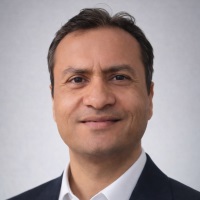
Digital Transformation in Pharma Is Missing a Layer: Validation, Trust, and Submission Readiness
The pharmaceutical industryis rapidly adoptingdigital transformation andAI to accelerate clinical development, butthese technologiesalone do not reduce business risk. As AI-generated analyses become part of workflows, sponsors face a new challenge: how to establish confidence that outputs are accurate, traceable, and suitable for regulatory submission. Without an independent mechanism to verify AI-generated results, organizations risk undermining the very efficiencies digital transformation is intended to deliver.
When evaluating AI platforms and strategic technology investments, the question is no longer whether AI can generate clinical outputs; it is whether those outputs can be trusted. Building that trust requires an independent validation layer that provides objective evidence of quality, reproducibility, and regulatory readiness without relying ontraditional quality control methods that rely heavily on independent double programming, making them resource-intensive and difficult to scale in an era of AI-assisted development.
Beaconcure Verify, an AI platform designed specifically for regulated clinical development. Rather than automating statistical programming itself, Verify independently validates AI- and programmer-generated TLFs by reconstructing expected outputs directly from clinical datasets, SAPs, and specifications. Powered by a domain-specific AI model trained to reason like an experienced statistical programmer, the platform interprets clinical metadata, analysis logic, and programming intent to generate independent results that are compared against production outputs.
This independent verification approach enables rapid identification of discrepancies, strengthens risk-based quality strategies, and provides transparent evidence supporting submission readiness. By serving as a validation layer, Verify complements existing programming environments while helping organizations scale AI adoption with greater confidence and governance.
Attendees will gain insight into how trust, validation, and independent verification are emerging as essential components of AI strategies in life sciences. The session will explore how specialized validation platforms can reduce implementation risk, strengthen regulatory confidence, and enable organizations to adopt AI more broadly across clinical development while maintaining the quality standards required for submission-ready deliverables.
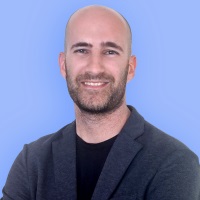
Multi-Agent AI on Longitudinal Human Aging Data: From Pre-Diagnosis Signals to Druggable Targets
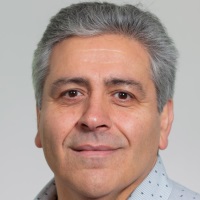
Regulatory-grade real-world evidence from unstructured clinical data
Roughly 40% of the clinical facts research needs never reach a structured data field: diagnoses, medication adherence, biomarkers, staging, social determinants, family history. Frontier LLMs can read that text, but at population scale they're expensive, non-deterministic, and hard to audit. This session shows how specialized medical language models extract and de-identify clinical facts at regulatory-grade accuracy: 98% F1 on PHI detection, and primary site, histology, and tumor staging extracted from unstructured pathology text at regulatory-grade accuracy (over 95%) – all at over 80% lower cost than current frontier models, with deterministic, reproducible output. Those facts become a governed, OMOP-standard real-world-evidence asset, with every value traced to its source note and every extraction carrying a confidence score. With that foundation in place, and a shared MCP boundary on top of it, use cases like cohort building, real-world evidence, clinical trial matching, and protocol design become far easier to build and to audit.
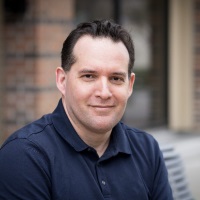
Same Experts, Smarter Agents: The Next Leap in Clinical Development
AI has already reshaped preclinical development — now it's transforming Phase I-III trials. Study start-up is being compressed through AI-driven protocol design, site selection, and feasibility work. Real-world data is enabling synthetic control arms that can reduce the need to enroll patients into placebo groups, cutting study timelines and costs at a point where every day of a Phase III trial can cost upwards of a million dollars. And patient recruitment itself has flipped from a passive, wait-for-patients-to-come model to a proactive one, with AI matching protocol criteria against real-world data to identify eligible patients and where they're being treated — cutting recruitment workload by roughly 80%The next leap is agentic AI: systems that don't just surface insights but actively execute the work. But speed only matters if you can trust the output.In this session, Suzanne will share what "AI-native" really means in practice — where subject matter experts stay firmly in control of agentic workflows, why sourcing and human oversight are the foundation of trustworthy AI rather than an afterthought, and how real-time monitoring is already compressing feedback cycles from days and weeks down to minutes.Attendees will walk away with:
- Where AI is already delivering measurable time and cost savings versus where it's still maturing
- A practical framework for what "AI-native" means for a clinical organization, and how to keep subject matter experts in control as agents take on more of the operational workload
- Questions to ask any AI vendor or internal team about sourcing, hallucination risk, and oversight before trusting agentic output in a regulated trial environment
- A candid perspective on why "trust takes time" with AI — and concrete first steps for piloting agentic tools now rather than waiting for perfect reliability

When Scientists Can't Find Their Data: FAIR Foundations for Real-World AI
How Zifo helped a global biopharma turn disconnected data silos across different platforms into a single FAIR, AI-ready data ecosystem by automating ingestion, data models and metadata management . A practical playbook for building governed, reusable data that scientists trust and AI can actually use.

Digital transformation in biotherapeutics discovery

DNA Methylation-Mediated Epigenetic Adaptation Promotes Cellular Resilience In AML
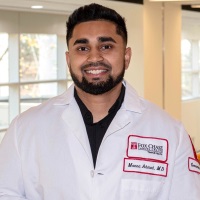
From Data Custodian to Data Product Leader: Building FAIR and AI-Ready Clinical Data Platforms for Precision Trials
Physics-Informed Large Language Models for Biologics: Applying Nuclear Engineering Rigor to AI Safety and Reliability

Proven by the Science It Produces: Agentic AI from Discovery to Development
Virtual patient generation leveraging RWD to expedite clinical development
Chair's remarks

Chair's remarks
Chair's remarks

Chair's remarks

Chair's remarks
Chair's remarks
AI Applications: From Clinical Research To Operational Feasibility

Digital Transformation in Biomedical Research: Challenges and Opportunities
From High-Throughput Pipelines to FAIR Data: A Storage Strategy

From Literature to Computable Cohorts: Disease Phenotyping via Multi-Agent Orchestration

Google’s Agentic R&D Cloud
Biopharma organizations have long navigated the "laboratory compromise"—the physical and operational divide between wet-lab experimentation and dry-lab computational modeling. This structural separation creates data silos that slow research timelines and limit the impact of computational tools. Today, the industry is transitioning to a model where scientific data acts not just as a laboratory record, but as an active foundation for closed-loop discovery. Addressing this division requires a fundamentally different approach to both technology and organizational collaboration.Google’s Agentic R&D Cloud meets this challenge through a cross-functional, vertically integrated R&D stack that was built with the research operations of Google DeepMind and Google Research in mind. Google’s Agentic R&D Cloud marries emerging specialized models and agents (e.g. AlphaFold, AlphaGenome, AlphaEvolve, and Co-Scientist) with the enterprise infrastructure and scale needed to support advanced scientific computing without the latency, integration gaps, data silos, or errors common in piecemeal systems.
Grounded in real-world deployments and collaborative success stories with leading biopharma partners, this session will explore how Google’s unified R&D stack today is accelerating R&D. Attendees will walk away with a practical agentic blueprint showing how a co-designed R&D stack scales laboratory hypotheses into validated biological discoveries.
Large Language Models in Practice: From Patient Support to Precision Cancer Care
Multi-cancer Early Detection (MCED)
From Data to Decisions: Using Technology to Improve the Patient Journey in Clinical Trials
Session illustrates how intelligent coordination across planning, monitoring, data review, and study management can improve visibility, predictability, and execution quality.

Is your Lab in the Loop?
Edge AI in Production: Real-Time Decision-Making in Sanofi’s Cryo-EM CoreModern cryoEM and other high-throughput scientific instruments generate vast amounts of data, yet mismatched infrastructure often limits throughput, delays scientific insights, and allows poor-quality data to propagate. This session presents a deployment of on-premises edge AI that enables real-time data processing and decision-making directly at the instrument. By detecting anomalies and data quality issues from minute zero, the system ensures only high-value data advances through the pipeline. We will show how near-real-time analytics can also trigger automated device actuation, allowing instruments to adjust and optimize performance dynamically - without manual intervention. This approach reduces data movement and infrastructure costs while accelerating time to insight. Drawing on testing at Sanofi’s cryoEM core, attendees will gain practical insights into architecture, deployment considerations, and measurable impact on throughput, data quality, and operational efficiency.

Medical information response agent
Operationalizing AI for GxP: What It Takes to Reach Production at Scale
Most pharma organizations can build an AI model. Far fewer can get that model into a validated GxP environment and sustain that validation through inspection, model change control, and ongoing oversight as agentic systems evolve. This session is about the infrastructure, governance, and validation architecture that senior R&D and IT leaders need to operationalize AI across GxP-regulated workflows at enterprise scale. We'll cover what it takes to move an entire portfolio of models and agents into production, not just one successful pilot, and what changes when that foundation is built in from the start rather than added after a model has already been deployed.

Unlocked & Validated: How Human-in-the-Loop LLMs Transform Unstructured EHR into High Quality RWD
Real-world data (RWD) is essential to biopharma R&D, but critical signals often remain locked in unstructured data types such as clinical notes, out of reach from standard analytics. Automation alone cannot reliably extract these features; success requires context, and context only emerges when clinical expertise is embedded throughout such workflows.
To capitalize on the phenotypic depth of its EHR-derived RWD, NashBio built a multi-layer LLM extraction system designed around clinical experts who informed extraction criteria, guided prompt and workflow refinements, and evaluated model output against source records to improve capture of clinically meaningful events. Applied to a 2,800 patient inflammatory bowel disease (IBD) cohort, the pipeline surfaced treatment response outcomes from each patient’s IBD clinic notes, spanning a predefined list of 25 medications. The result was more than 58,000 structured medication-response assessments, each substantiated by a verbatim quote from the attending healthcare provider and reviewable in context. This human-in-the-loop architecture achieved >90% accuracy on sampled review and 96% reproducibility – a level of rigor typically reserved for manual chart review – delivered at scale to advance more personalized medicine. Automation alone also missed important documentation patterns unique to specialty care and institutional practice.
NashBio's experience challenges the perception that AI eliminates the need for humans. This work reinforced the fact that, as extraction systems scale, human-in-the-loop matters more, not less; it is what keeps accuracy and context intact. We will also demonstrate how this framework extends to other applications relevant for biopharma R&D, including hepatology feature extraction and biomarker curation.

Using Real World Data in IBD research: Capturing the Full Patient Journey

Agentic AI for biotech competitive intelligence

AI-Powered Predictive Analytics for Surgical and ICU Patients
AI-powered programmable virtual humans for physiologically based drug discovery
Digital innovations driving clinic trials efficiencies

Pitfalls and Best Practices: Notes from the (research) field
Securing the Agentic Future: How Privacy and Trust Drive Real Digital Transformation
The current wave of healthcare AI has focused heavily on digitizing administrative overhead, but true digital transformation is yet to come. For healthcare organizations to capture the economic potential of the AI era, they must shift from human-assisted AI to autonomous workflow execution and into the Agentic Era.12
The future of enterprise healthtech depends not on the intelligence of base models, but on architectural integrity and security. What then is required to unlock enterprise adoption?
Autonomous Execution: Moving beyond text generation to trigger multi-step, clinical, and back-office actions.
Zero-Trust Data Boundaries: Treating security and privacy as a commercial velocity engine rather than a compliance roadblock.
Orchestration Governance: Implementing real-time oversight to ensure deterministic, zero-error execution in regulated environments.
I will discuss a few companies that have indeed succeeded in value creation in this environment, with a VC investment lens.
Biotech and pharma leaders must move past model evaluations and start asking the critical question for agentic systems: "Can we bound its execution in real-time, and can we cryptographically prove why it took that action?"
Applications of biological foundation models to accelerate clinical trials
Beyond the Pilot: A Fireside Chat on What It Really Takes to Scale AI in Pharma R&D
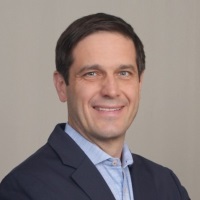

Building Next-Generation Engagement Using the Power of AI - From Concept to Action
- ny AI discussions emphasize the size of the dataset and the cleverness of the model. In practice, those factors are rarely where the real difference is made.
- Medical Simulator helps MSLs practice realistic KOL conversations with AI-powered feedback.
- Institutional Engagement Eagle shows who to engage, why they matter, and how to reach them.
- AI-generated Engagement Plans turn existing research into clear, actionable strategies.
Because all three use the same trusted data, insights flow seamlessly from research to engagementtoaction.
We then turn to the question every team faces: build, or buy? Building in-house is tempting, but the hard parts surface later — curating data you can trust, keeping scarce AI talent, and maintaining infrastructure long after the pilot ends. We make the case for the “smart buy”: a focused partner whose platform, curated data, and proven use cases are ready today — so teams reach value in weeks, not years.
The takeaway: look past the big-data hype, get the build-versus-buy call right, and start with clean data and one problem worth solving. That’s where meaningful AI adoption begins — and where real impact, for your teams and the patients at the end of it, follows.
What actually moves things forward is quieter, and far harder to get right: clean, carefully chosen data, and one problem that genuinely matters in practice.
This session is a behind-the-scenes case study of how Innomagine moved from concept to action. We didn’t start with the technology — we started with the people behind the work, and built a connected suite of engagement solutions on one foundation: the Evidence Eagle platform.
We’ll walk through three AI applications already used every day:

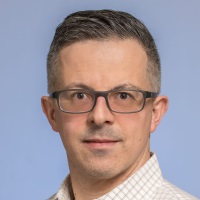
FAIR Data Foundations: Automating Governance and AI-Readiness for Accelerated Drug Discovery
In this session, we'll cover:
- The Modern Data Dilemma in Biotech - massive volumes of unstructured, often fragmented research data, that hinder innovation, impose regulatory risk and missed milestones
- Building a Scalable "Data Foundation" - implementing a unified data governance framework that balances speed, risk and prepares for intelligent content management
- Governance as an AI Enabler - highlighting metadata management to ensure datasets are discoverable, high-quality and protected
- Future-Proofing the Pipeline - the roadmap for AI-driven regulatory intelligence and its role in streamlining future clinical trials
The Evolution of Real-World Evidence: From Individual Data Assets to Connected Healthcare Intelligence
Real-world evidence is evolving from isolated datasets to integrated healthcare intelligence that provides context, not just observations. Learn how Norstella combines multimodal real-world data with proprietary commercial, access, and healthcare intelligence to answer increasingly complex questions that no single nor traditional real-world data source can address, speeding up time to insights.

The Skills Behind the Strategy: Preparing Today's Workforce for Digital Transformation

AI ML for drug discovery
Digital transformation within medical and scientific communications within pharma and biotech

Diving deeper into indications

The Human Heart of High-Tech Care: Reimagining the Nurse Navigator in the Age of Precision Medicine
- the field of oncology continues to explorecutting-edge breakthroughs in AI, genomic sequencing, and digital transformation, it’s easy to lose sight of the human being at the center—the patient. While industry leaders focus on the data and the drug, the Oncology Nurse Navigator (ONN) never loses sight of the person behind the diagnosis. This presentation brings the ONN’s story to life as the “human translator” of biotechnology—turning intimidating data into understandable choices, calming fears, and ensuring that the promise of precision medicine is matched by genuine, personalized support.
- Identify the three primary psychological and logistical barriers patients face when transitioning from standard care to high-complexity interventions.
- Analyze how the navigator role mitigates disparities in access to precision medicine by addressing social determinants of health (SDOH) that digital platforms often overlook.
- Formulate a model for integrating biotech stakeholders (pharma, diagnostics, and tech) with the nursing navigation team to ensure innovations enhance, rather than disrupt, the patient experience
Objectives:By the end of this presentation, participants will be able to:

Judges Remarks
The Agent Did It. Now Can You Prove It? Cryptographic Traceability for AI in Clinical Workflows
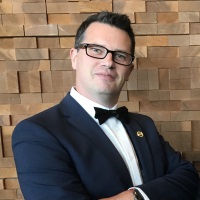

WittGen: GenAI Drug Response Prediction, Cell by Cell
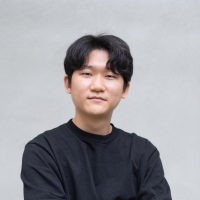
AI-Driven Insights from Every single Patient

Chair's remarks
Chair's remarks
Chair's remarks
Chair's remarks
Chair's remarks

Chair's remarks
Bridging the gap between FEMtech and FEMhealth
Building Bridges: Developing a Common Omics Data Platform at AbbVie

Leveraging Data and AI to transform Research, Care, and Operations at Sylvester Comprehensive Cancer Center
Multi-Agent AI on Longitudinal Human Aging Data: From Pre-Diagnosis Signals to Druggable Targets

Protecting Our Cognitive Edge: The Paradox of AI Offloading vs. Skills Atrophy

The Right Kind of Fast: Combining AI Speed with Regulatory Expertise
AI is genuinely making regulatory work faster, and that matters. But getting to a first draft faster is only one piece of what’s possible with AI. . The standard drug development teams must build toward is submission content that holds up under intense scrutiny. And still holds up two years later, when the same information is needed for the next filing, the next market, the next lifecycle update.
Based on real implementations across regulatory workflows, Daniel will cover what AI can do to compress review cycles, prevent rework, and position scientific knowledge in clear and compelling ways to health authorities.

Better ways to recruit and retain patients

Beyond the Data Contract: How Field Medical and Clinical Informatics Turn HCO Partnerships into Real-World Evidence

Enabling LLM-assisted biomedical discovery in secure, trusted agentic environments
Biomedical researchers face a critical productivity gap when working within Trusted Research Environments, where strict security rules ban the use of Large Language Models (LLMs). To solve this, we present the Trusted Agentic Environment, designed to embed AI tools and make them available to researchers by default. By attaching flexible, automated policies directly to datasets, researchers can seamlessly leverage LLMs for code generation, data exploration, and statistical modeling. This integration unlocks complex co-analysis, empowering researchers with advanced AI capabilities to accelerate their scientific output.
LLMs for Medical Affairs: Content, Engagement, and Meaningful Scientific Impact for HCPs
Turning Life Sciences Data into Investment-Ready Evidence

When Minutes Matter: The Cloud Architecture Behind Intraoperative Genomics
AI-Powered Trials: Unlocking Leadership in Clinical Innovation



Digital health and AI, what does the future hold?

From AI Experiments to Enterprise Impact: What Does It Really Take to Operationalize AI in Pharma


The Health Data Trilemma: Privacy, National Security, and Borderless dataflows

Using AI in the drug development and discovery process
Artificial intelligence and machine learning are transforming drug discovery and development, from target identification and candidate screening to predictive modelling, study design, and decision making across the R&D pipeline. As these technologies become more widely adopted, ensuring they are scientifically robust, validated, and fit for purpose is essential.
This panel will explore how AI is being applied across the drug discovery and development process, highlighting both the scientific opportunities and the practical challenges of implementation. Bringing together perspectives from biotech, pharma, academia, and emerging AI innovators, the discussion will examine how organisations are integrating AI into research workflows while ensuring credibility, reproducibility, and regulatory confidence.
Topics will include the use of AI for early discovery, predictive modelling, and optimisation across the development pipeline, alongside considerations for model validation, risk based credibility assessment, and translating AI driven research into real world drug development. The panel will also explore how collaboration between industry, academia, and emerging biotech is accelerating innovation while maintaining scientific rigour.





Create your personal agenda –check the favourite icon
Introductory remarks
Chair's remarks
Biotech in the balance

Evolution of women’s health

Judges Remarks
Compressing Clinical Trial Timelines with AI Site Twins: A Harmonized Data Foundation for Global Site Selection, Feasibility and Study Startup.
From Innovation to Revenue: Fixing the Commercial Gap in Science-Led
Strong innovation doesn’t automatically lead to commercial success. Many science-led companies struggle to translate capability into revenue. This session introduces a platform that identifies commercial gaps and turns innovation into a clear, execution-ready growth strategy.

A Smarter Path to Regulatory-Grade Evidence Synthesis Using Agentic AI

The AI-Native Platform for Drug Development

Responsible AI by Design: How to Launch Agentic AI in Regulated Biotech

Chair's remarks
Chair's remarks
Chair's remarks
Chair's remarks
Chair's remarks
Chair's remarks
AI in medical authoring and regulatory intelligence
AI-driven phenotyping system that extracts operational definitions of patient cohorts
Harnessing the Power of Generative AI: Unlocking Insights from Real-World Data for Data-Driven Decisions in Pharma R&D
How AI can help early stage companies in drug development
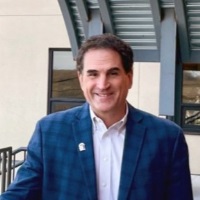
Leveraging NIH as your commercialization partner

When Quantum Meets Pharma: Inside the Race to Design Drugs Atom by Atom
Efficient health care resource allocation and optimisation using machine learning

How to integrate multi-omics
Mind the Gap: How Artificial Intelligence Can Strengthen the Clinical Trial Enterprise from Protocol Design to External Controls
Multi-modal real world data foundation models: Challenges & opportunities

Running Large Language Models on AWS: Bedrock, SageMaker, and Purpose-Built AI Infrastructure
Structuring high-consequence decisions from discovery to the clinic
Biopharmaceutical R&D decisions are often framed as expected-value calculations: probability of success multiplied by potential value. This framing assumes that both terms can be estimated reliably. In practice, probabilities of technical and clinical success are uncertain, while projected value depends on changing assumptions about market dynamics, competition, regulatory pathways, and clinical practice. In this context, numerical decision matrices can convey more precision than the underlying evidence supports, while conventional multi-criteria decision analysis can obscure the reasoning behind recommendations and generate rankings that are difficult to justify.We present bfARENAS™, a generalizable framework for structuring complex decisions through comparative evaluation rather than absolute scoring. bfARENAS™ organizes evaluation into explicit decision contexts, or arenas, representing distinct lenses such as biological rationale, experimental readiness, clinical feasibility, or competitive positioning. Keeping these contexts separate preserves differences among evidence types and makes clear what each comparison is intended to resolve.Within an arena, AI agents assemble evidence-based cases for individual candidates. Separate judging agents compare candidates directly and produce both a preference and an explicit rationale. Repeated comparative judgments are then aggregated to estimate relative support and produce a coherent ranking. The resulting outputs remain traceable to the underlying evidence, comparisons, and rationales, allowing experts to inspect where a ranking is well supported, where judgments conflict, and where additional evidence could change the decision.We will describe the bfARENAS™ architecture and its application to decision problems spanning discovery-stage target prioritization and later development decisions. We will show how arena design determines what constitutes a favorable comparison, how separating evidence construction from adjudication improves transparency, and how local comparative judgments can support portfolio-level prioritization without requiring unsupported absolute scores. The broader objective is not to eliminate uncertainty or replace expert decision-makers, but to make consequential judgments more explicit, transparent, and testable when conventional quantitative frameworks exceed what the available evidence can support.
Beyond SBIRs: NIH as your AI technology development and commercialisation partner
Leveraging Real-World Data and AI for the Evaluation of Clinical Trial Efficacy
Background:Traditional clinical trial evaluations heavily rely on the Average Treatment Effect (ATE), a metric that can obscure substantial heterogeneity in individual patient responses. This limitation is magnified in observational real-world data (RWD), where simple statistical associations often conflate correlation with systemic selection bias. To enhance regulatory confidence and optimize therapeutic positioning, clinical research must move beyond purely associative analyses and shift toward isolating true counterfactual causation by precisely estimating Individual Treatment Effects (ITE) to enable personalized treatment selection.
Methods:This study presents a deep causal learning framework that adjusts for high-dimensional baseline confounding. Utilizing RWD from a diverse clinical cohort in which more than 80% of participants originate from communities historically underrepresented in biomedical research, the pipeline maps longitudinal, time-fixed, and time-varying covariate vectors into a dense latent space via a pre-trained Med-BERT transformer encoder. These phenotypic embeddings parameterize an integrated causal neural network architecture that features an objective-focused propensity score gate and dual counterfactual potential-outcome heads. To evaluate individual treatment benefit under non-proportional hazards, the architecture maps continuous counterfactual survival curves for patients within the balanced common support region where the propensity score is approximately 0.5. Rather than collapsing temporal dynamics into static metrics, the framework evaluates the global geometry of these curves using non-parametric omnibus tests to isolate and rank an optimized sub-cohort of the top ntreatment responders.
Results:Validation audits demonstrated exceptional predictive fidelity, with the outcome survival network achieving a baseline Concordance Index of 0.9439 ± 0.0771. The causal estimation engine yielded a statistically significant Conditional Average Treatment Effect (CATE) point estimate of 0.6205 (95% Confidence Interval: 0.5934 to 0.6476), with structural validity confirmed by a Leave-One-Out (LOO) cohort stability index of 99.71%. The integrated KONP and multi-directional screening framework successfully isolated the optimized high-responder cohort from the balanced common-support distribution.
Conclusion:Shifting from associative correlation to robust counterfactual inference on highly diverse RWD provides a scalable, causal methodology for predicting personalized treatment response, optimizing trial cohort enrichment strategies, and accelerating precision evidence generation without modifying active clinical trajectories.

Maximizing the Value of Real-World Evidence for Patient Safety
As the pharmaceutical industry becomes increasingly data-driven, organizations are generating more real-world data (RWD) and real-world evidence (RWE) than ever before. While RWE presents significant opportunities to enhance patient safety, realizing its full value requires navigating operational, methodological, and regulatory complexities.
Realizing this value requires strong collaboration between patient safety and RWE functions to ensure evidence is appropriately contextualized and translated into meaningful action.
Drawing on practical examples and lessons learned, this session explores the opportunities and challenges at the intersection of patient safety and RWE.
Attendees will gain insights into approaches for strengthening cross-functional collaboration, leveraging RWE more effectively, and improving confidence in the safe use of medicines.

More Data, Better Biomarkers? Closing the Gap Between AI Predictions and Clinical Meaning

Virtual cell modelling
How Novo Nordisk Transformed Customer targeting using AI

Identifying Tumour Biomarkers Using Real World Data

Not All Bias Breaks Decisions: Relative Ignorability for Real-World Evidence

ToxIndex: Using AI-Ready Data and Traceable Documentation to Streamline Preclinical Safety
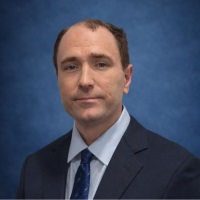
Using AI to Detect and Reduce Critical Errors in Clinical Trial

Detecting Dengue, Chikungunya, and Oropouche Viruses Using Radio Frequency Waves and Machine Learning.
Leveraging RWD in the Drug Development Process

Revolutionizing immunotherapy through patient-centric therapeutic hardware platform, ATT-AI
How Clarrio.ai Is Closing Pharma's Biggest Data Gap
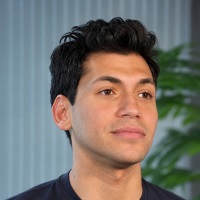
Trillion-scale and beyond: how ultra-large virtual screening leads to the discovery of first-in-class chemistry

Biochemical Fingerprinting: A New Information Layer for Disease Intelligence

Chair's remarks
Chair's remarks
Chair's remarks

AI influenced nano technology in drug discovery and development

Driving field medical innovation
Unleashing Innovation: From Data to Discovery with AMD + HPE
Artificial intelligence is compressing the drug discovery timeline from a decade and $1–2B per drug into a faster, more predictable process—yet only a fraction of life sciences organizations see real payoff today. In this session, HPE and AMD show how the same technologies powering 5 of the world's 10 most powerful GPU-accelerated supercomputers now translate into enterprise-scale advantage for biotech. Drawing on real deployments with leading pharma innovators, we'll trace the path from exascale science to production R&D and quantify the business case for AI-driven discovery.What you'll take away:
- Where AI moves the needle across genomics, protein structure prediction, generative chemistry, and molecular simulation
- The business case, quantified—faster time-to-market and dramatically more hypotheses evaluated per scientist
- How to close the pilot-to-production gap that leaves most AI investments underused today
- Why an open, portable compute foundation matters for scaling R&D without lock-in
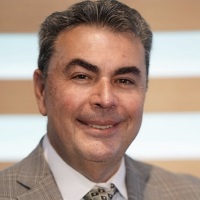
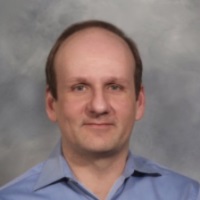
Beyond Isolated AI: Streamlining Autonomous Operational Workflows Across Life Sciences


Changing the playing field
RushData: High-Throughput Data Generation for Modern Antibody Discovery
Antibody discovery is entering a new era. Advances in AI, automation, and next-generation discovery platforms have dramatically expanded our ability to generate antibody candidates. As a result, the industry's primary challenge is no longer finding molecules, but identifying the right ones.
As the bottleneck shifts from candidate generation to data-driven decision-making, high-quality experimental data has become more critical than ever in modern antibody discovery.This presentation introduces RushData, Biointron's high-throughput data generation platform, designed to rapidly transform antibody sequences into decision-ready experimental data. By integrating scalable antibody production, standardized characterization, digital workflows, and AI-ready datasets, RushData enables researchers to evaluate, compare, and prioritize large numbers of candidates with greater confidence, helping them learn faster from every molecule and make better discovery decisions.
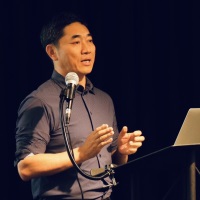
From Black Box to Blueprint: A Practical Playbook for Navigating FDA AI Regulations in Drug and Biological Products Development
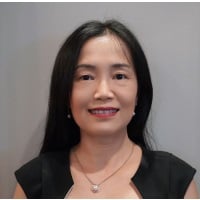
How AI is used to support the three R’s in drug discovery
Preparing the Biotech Workforce of the Future: The Role of Academic-Industry Partnerships
Pediatric Precision Medicine

Get involved at BioTechX USA

Created by


Terrapinn is proud to be a member of isla.
Working together to build sustainable events